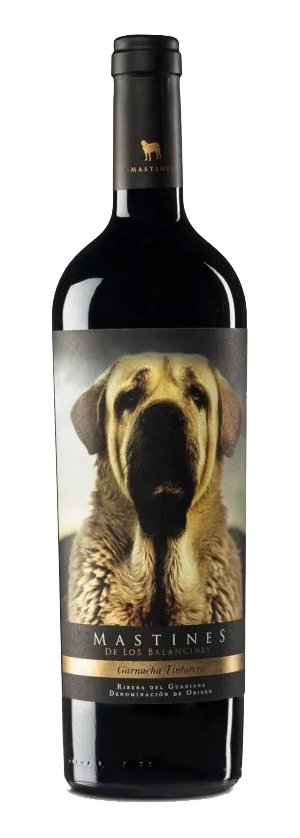
Mastines Boj
Additional information
| Style | |
|---|---|
| Grape variety | |
| Region | |
| Content | |
| Classifiction |
Brand
Pagos Balancines
Pago los Balancines was founded in 2006, born from Pedro Mercado’s passion for winemaking. After traveling through the world’s top wine regions, luck led him to a remote estate in Oliva de Mérida (Badajoz), where he found a truly unique vineyard. Cool ocean breezes from neighboring Portugal seemed to funnel through, constantly cooling the vines. The old Tempranillo vines here also appeared to have Portuguese roots, matching the Tinta Roriz grape—a high-quality variant of the Spanish Tempranillo, widely used in Port wines. Pedro put his philosophy into practice here: to make the best possible wine through sustainable practices, grounded in respect for the land, grape varieties, and a winemaking approach with deep traditional roots.
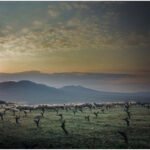
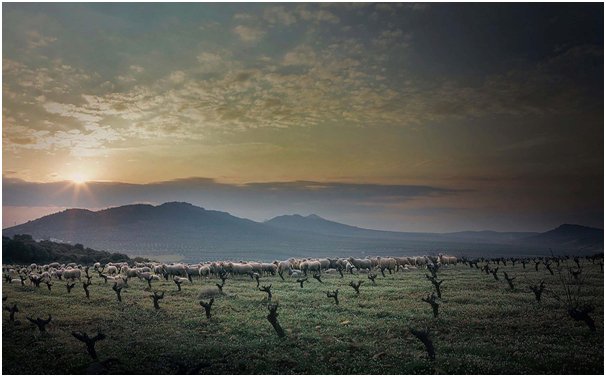
The Balancines vineyard, which now covers 70 hectares and has organic certification, is very distinctive. Nestled between the Peñas Blancas and Juan Bueno mountains, in the town of Oliva de Mérida, it sits almost 300 kilometers inland from the Atlantic. Here, a constant breeze cools the vineyard, which is in a warm area with high summer temperatures. This wind extends the growing season, delays ripening, and keeps the grapes healthy.
The elegance achieved by Pedro in his wines comes from unique techniques in both viticulture and vinification, allowing him to reach a remarkable level of finesse, a true masterpiece expressed through wine.
It’s hard to say whether Pedro Mercado chose this estate or it chose him, but nearly two decades later, it’s clear he has a deep connection to this place. Passionate about excellence since he was young, Pedro has found his true calling at Pago los Balancines. He earned a Master’s in Viticulture and Enology from the Polytechnic University of Madrid and was even invited to teach two modules (Enology and Wine Economics and Law). As the technical director and owner of Pago los Balancines, he continues to explore every aspect of the industry, deepening his bond with nature and wine. He has also learned the importance of blending grape varieties and aging times, principles that he has made central to his winemaking philosophy.