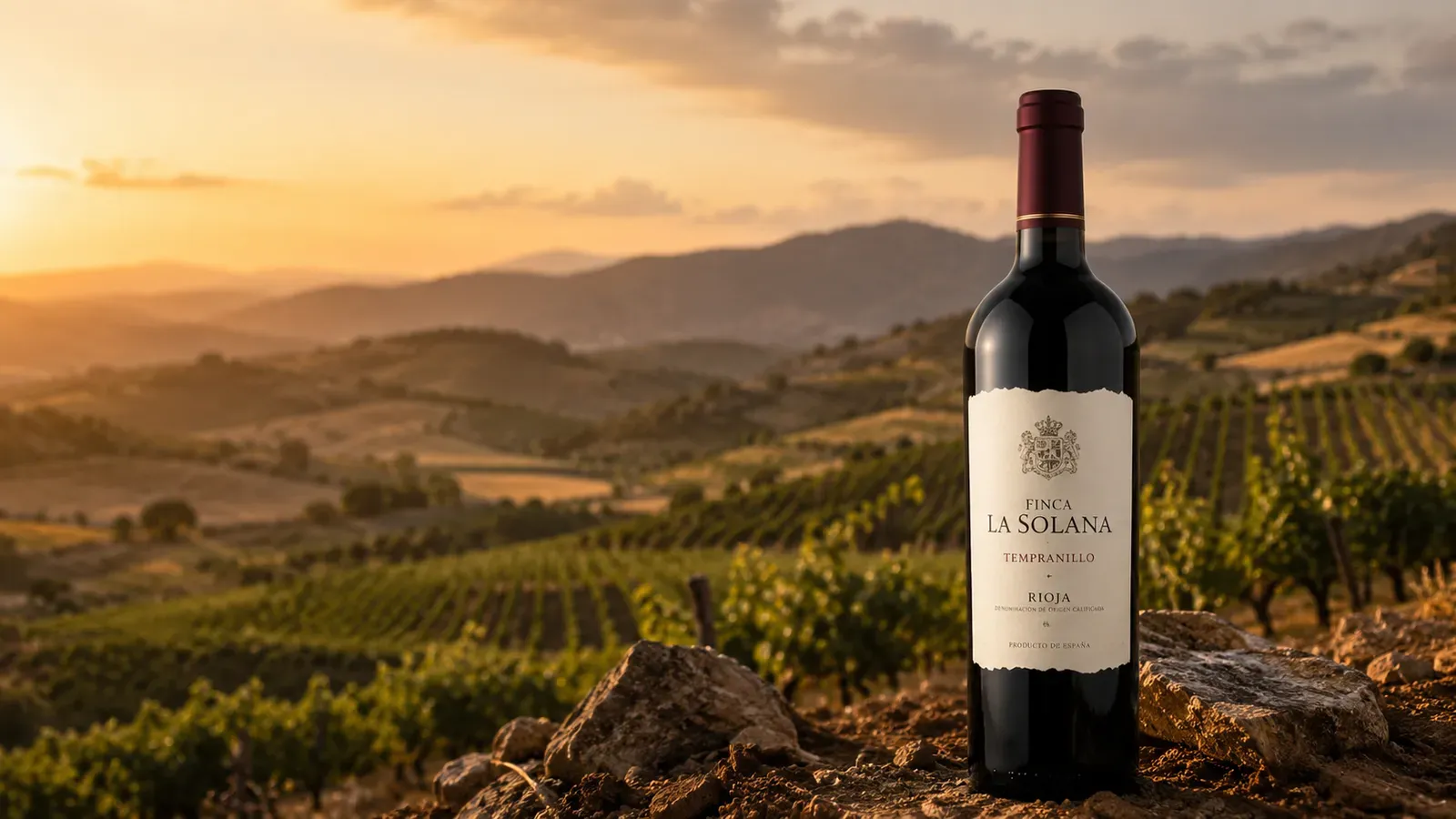

Somewhere a rule got written that red wine is served at room temperature, and it has ruined more summer evenings than corked bottles ever did. The rule dates from cold European houses where room temperature meant sixteen degrees, not the twenty-five of a Dutch garden in July, and it ignores that a whole class of red is simply better cold. Chilling a red is a technique with a clear logic: it tightens fruit, lifts freshness and tames alcohol, which transforms light, fruit-forward reds and ruins heavy tannic ones. Spain, with its old-vine Garnacha, its Mencía and its lighter field blends, grows more reds that love the fridge than almost anywhere. This page sorts which to chill, how cold, and where to start.
Why chilling works on the right red
Temperature is a volume knob for a wine’s parts. Cold suppresses alcohol and sweetness while sharpening acidity and tannin, so on a light, low-tannin red it does only good, fruit gets crisper, the wine tastes fresher, the alcohol recedes. On a big, tannic red the same cold sharpens the tannin into something hard and bitter, which is why a chilled reserva tastes mean while a chilled Garnacha tastes alive. The dividing line is structure: the less tannin and the brighter the fruit, the more a red wants chilling, which maps almost exactly onto the pale, perfumed end of the Garnacha-versus-Tempranillo spectrum. Read a red’s weight and you know whether the fridge is its friend.
The Spanish reds built for the fridge
Four Spanish styles are natural chillers. Old-vine Garnacha from altitude leads: pale, perfumed, low in hard tannin, the grape’s fruit-forward profile gains lift and freshness at fifteen degrees, and Jirón de Niebla from Gredos is the elegant version. Mencía from Bierzo, floral and slatey, chills beautifully, a register the region’s council ties to its cool Atlantic slate, Lagar de Robla is the door. Young Tempranillo without heavy oak takes a light chill for the everyday table. And lighter field blends like Garnacha & Garnacha are the workhorses, equally happy at fifteen degrees beside grilled food. What unites them is the same thing that makes them food-flexible: bright fruit and gentle tannin, the profile the fridge flatters.
| The red | Chill to | When it shines |
|---|---|---|
| Old-vine Garnacha (Gredos) | 14-15 °C | Summer dinners, grilled vegetables, lighter mains |
| Mencía (Bierzo) | 13-14 °C | Charcuterie, herb dishes, warm afternoons |
| Young Tempranillo, no heavy oak | 14-15 °C | Everyday table, tapas, weeknights |
| Lighter field blends | 14-15 °C | Barbecue, picnics, all-day pouring |
| Heavy reserva / big Ribera | 16-18 °C, not chilled | Cool rooms, roasts, slow dinners |
The 30-minute rule and the exact degrees
The practical method is simple. Thirty minutes in the fridge brings a red from room temperature to roughly fourteen degrees, the sweet spot for the chillable styles; an ice bucket does the same in ten if the garden is hot. The target is summer-cool, not cold: fourteen to fifteen degrees for Garnacha and field blends, a touch cooler at thirteen to fourteen for Mencía, where the freshness carries more of the wine. Overshoot into fridge-numb, six or eight degrees, and even a chillable red goes mute, so pull it before it gets there, or let an over-chilled glass warm a few minutes in the hand. The same discipline that runs the barbecue page applies indoors: warm reds at a summer table are the most common and most fixable mistake.
What chilled reds unlock at the table
The technique earns its place because it opens evenings a warm red would lose. A chilled Garnacha is the rare red that works at a summer lunch, beside grilled vegetables, even alongside the lighter seafood that usually banishes red entirely, and it turns a hot-weather barbecue from a white-only affair into one with range. It also rescues the awkward in-between meal, the warm-day dinner too substantial for white but punished by a heavy red, where a chilled, fruit-forward style is the only comfortable answer. And it travels: a chilled red is the picnic and terrace wine that survives being carried, poured and left in the sun better than a tannic bottle ever could. Each of those is an occasion most cellars hand to white or beer by default, and the fridge quietly hands them back to red.
When not to chill
Honesty about the limits keeps the technique credible. A structured Rioja reserva, a big Ribera del Duero, a tannic, oaky red of any origin should not go in the fridge: cold makes their tannin harsh and their oak bitter, and they are built for sixteen to eighteen degrees and a slower table, the logic the ribeye page runs for serious reds with serious meat. The test before chilling any red is the weight test: if it is pale and bright, chill it; if it is dark, dense and grippy, leave it cool but not cold. Get that one distinction right and the fridge becomes a tool rather than a gamble, doubling the number of evenings a red can join.
Where to start, and the summer case
For a first chilled-red evening, start with the clearest case: a Gredos Garnacha given thirty minutes in the fridge, poured beside grilled vegetables or charcuterie on a warm evening, and the lift over the same wine at room temperature is immediate and obvious. From the portfolio, a chillable trio, Jirón de Niebla, Lagar de Robla and Garnacha & Garnacha, covers the whole technique across one summer, delivered across the Netherlands from the shop. Keep them in the fridge door from May to September and a category of fresh, food-friendly, all-day red opens that most cellars never use. Wine is for adults of eighteen and over.
Chilled red is tradition, not a trend
It helps to know that chilling light red is not a modern affectation but an old habit the cold-house rule briefly buried. Across Spain’s warmer south, jugs of young red have come to the summer table cool for as long as anyone has eaten outdoors in the heat, because a warm, light red in a Mediterranean July is simply unpleasant and the locals never pretended otherwise. The Basque cider houses pour their young, rustic reds barely cellar-cool beside the txuleta, and the whole country’s tradition of the everyday jug wine assumes a temperature well below the northern idea of room temperature. Seen that way, the fridge is not doing something daring to the wine but restoring the condition these reds were always drunk in, the one the bright fruit and gentle tannin were built for. Our Garnacha & Garnacha is exactly that kind of wine, an Extremadura red made to be poured cool and generous rather than decanted and contemplated, and treating it as the heritage suggests is what lets it shine. The trend, if anything, was the warm-red rule itself.
Serving: the glass, the bucket and the re-chill
A few service details keep a chilled red at its best across a long, warm evening. Use an ordinary red-wine glass rather than a small one, because the wider bowl lets the chilled fruit open as it warms slightly in the hand, which is part of the pleasure; a chilled red is meant to evolve in the glass from crisp to expressive over a few minutes. Pour smaller measures more often, so each glass is poured cool rather than left to climb to garden temperature, and keep the bottle in an ice bucket or a cool spot between pours rather than standing in the sun, where it reaches blood-warm within the hour. If a glass over-chills to numb, cup it in the hand for two minutes and the fruit comes back; if the bottle warms past its window, ten minutes back in the bucket resets it. None of this is fuss, it is the same attention a white gets as a matter of course, simply extended to the reds that earn it, and it is the difference between a chilled red that stays lively to the last glass and one that goes flat halfway down.
The one-sentence version
Chill the pale, bright, low-tannin reds, old-vine Garnacha, Mencía, young Tempranillo, to fourteen or fifteen degrees, leave the big reservas at cellar temperature, and a whole summer of fresh, food-friendly red opens up.