

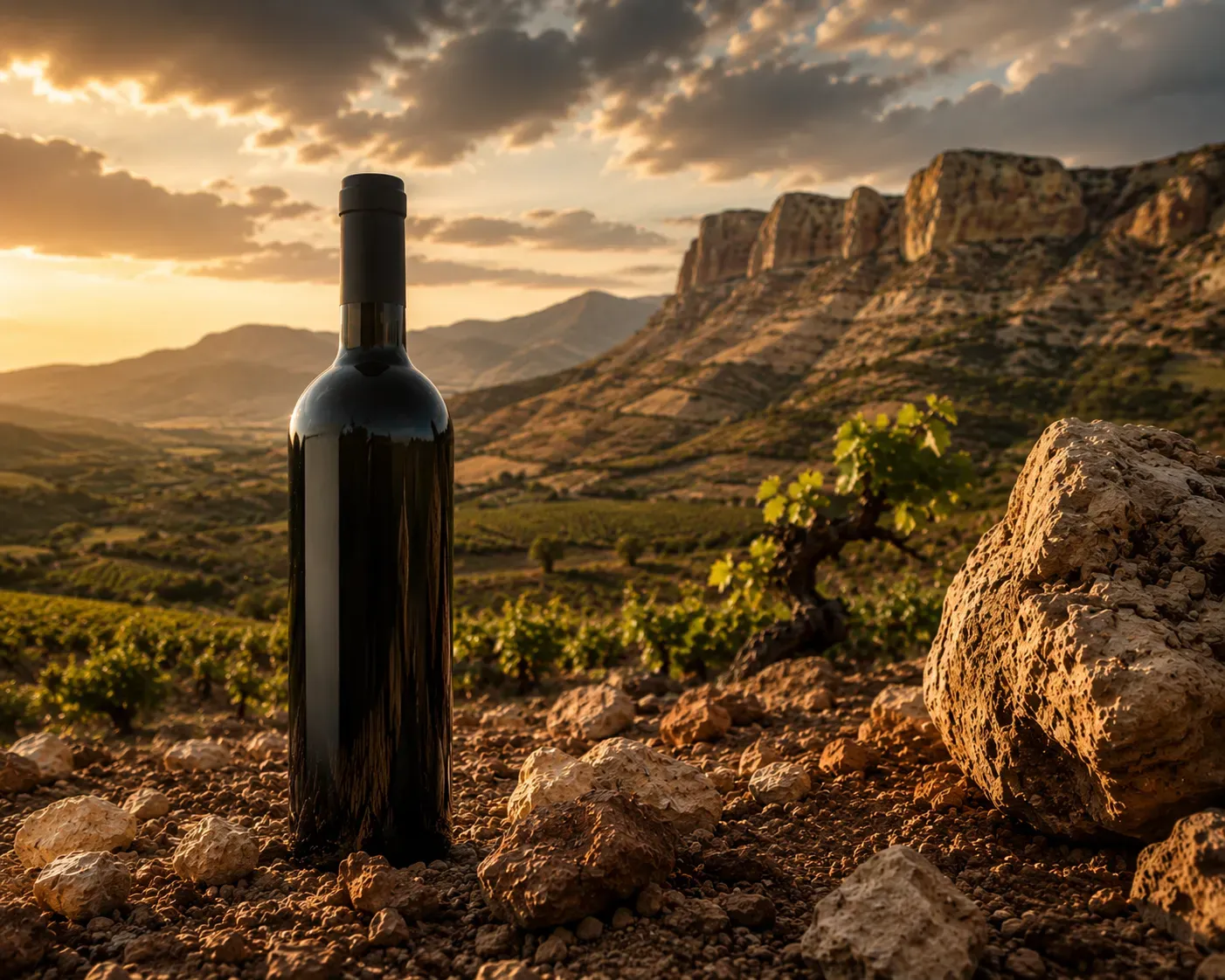
The difference between poached and grilled fish is the difference between two wines. A gently cooked fillet wants only freshness and salt, the rawest, sharpest white in the house. A grilled fish is a richer, smokier, more textured dish, crisp skin, charred edges, the oil of the flame, and it asks the white to do three things at once: continue the sea with salinity, cut the oil with acidity, and carry enough texture to stand beside the char rather than vanish under it. Spain, whose entire coast grills its catch, pours the right white for every level of fire. This page sorts them from a quick sardine to a whole turbot over coals.
What the flame asks of the white
Grilling changes the brief in three measurable ways. The char and smoke add a savoury, slightly bitter edge that flattens fruity, simple whites and rewards saline, structured ones, the same logic the barbecue page runs across the grill. The crisp, oily skin needs acidity to cut it, which is the one constant from poached fish to grilled. And the heavier texture of grilled flesh can overwhelm a featherweight wine, so the white needs a little body, lees or barrel, when the fish is substantial. The grape that meets all three by nature is Albariño, its saline, high-acid profile grown beside Galicia’s own grills in the Rías Baixas appellation, with the style climbing from steel to barrel as the fire gets harder.
Matching the white to the fire
The pour follows the heat, not just the fish. Light, quick-grilled fish, sardines, mackerel, fresh anchovies, want the sharpest, saltiest white: a steel Albariño or a Txakoli, the Basque coast’s bone-dry, faintly spritzy white that the Getariako council certifies and that behaves like a wedge of lemon with a wine degree. Meatier white fish off a hard flame, hake, sea bass, bream, want texture: a barrel-fermented white whose integrated wood meets the char. And a whole fish over coals, turbot, the king of the Spanish grill, deserves the most serious white in the cellar, a single-vineyard Albariño or a barrel-aged white with the depth to match the occasion. The constant: read the fire first, then the fish. A squeeze of lemon is the one condiment to use sparingly: grilled fish often arrives with a wedge, but a saline Albariño already does the lemon’s work, so taste the pairing bare before reaching for the citrus.
What the Spanish coast already knows
The pairing was settled on the beach long before it reached a wine list. Galicia grills sardines by the dozen at summer festivals and pours Albariño beside them without a thought; the Basque country builds its grill houses around whole turbot over coals and reaches for Txakoli and white Rioja; the Mediterranean cooks its catch on the plancha and drinks the local white cold. Every one of those traditions reaches the same conclusion this page does, that a saline, fresh, lightly textured white is the natural partner for fish and fire, and that the wine should scale up only as the fish and the char do. The lesson for a Dutch kitchen grilling sea bass or mackerel is that none of this is improvised: it is borrowed from coasts that have grilled fish and poured white beside it for centuries, and the rule they all share is freshness over weight, salt over oak, cold over warm.
| The grill | The white | Why |
|---|---|---|
| Sardines, mackerel, anchovies | Steel Albariño or Txakoli | Maximum salt and acid cut oily, smoky little fish |
| Hake, sea bass, bream | Lees- or barrel-aged white | Texture meets the char without burying the fish |
| Whole turbot, the grand grill | Single-vineyard or barrel Albariño | Depth matches the occasion, salinity survives smoke |
| Squid, octopus, prawns | Steel Albariño, Txakoli | Brine and acid against char and chew |
| Fish with romesco or aioli | Lees-aged white or dry rosado | Body and fruit carry the rich sauce |
From the portfolio
The portfolio’s whites climb the same ladder the fire does. La Trucha Acero, the steel Albariño, is the blade for sardines and lighter grills; La Trucha Barrica, barrel-fermented, steps in when the fish comes off a hard flame; and Finca Garabelos, the single-vineyard Albariño, is the serious bottle for a whole grilled turbot or a special table. For the saltiest, sharpest end, Tantaka’s white brings Txakoli’s bracing cut, and Roble Sobre Lías covers richer, sauced grills with barrel-fermented Viura. The deeper logic of why these Atlantic whites and seafood agree so completely has its own page; on the grill it simply gains a layer of smoke.
Serving, and the one mistake to avoid
Grilled fish wants its white properly cold, eight to ten degrees, cooler for the sharpest styles, so the acidity stays keen against the oil and the salinity stays bright against the smoke. Pour it the moment the fish lands, because grilled fish waits for nobody and a warm white at the table is the most common way the pairing slips. The one real mistake is reaching for a heavily oaked white because the dish feels substantial: new oak fights the char and buries the fish, the same trap the Chablis-alternatives logic warns against. Texture, yes; raw new wood, no. A mixed trio of steel, barrel and Txakoli covers every grill a summer produces, delivered across the Netherlands from the shop. Wine is for adults of eighteen and over. Quantities are friendly for a fish grill: white drinks faster than red over a long, social, outdoor meal, so count a bottle per two guests across the afternoon and keep the spares in the ice bucket, never the warm kitchen.
Oily fish versus white fish: the second variable
After the fire, the kind of fish is the next dial, and it pulls in a clear direction. Oily, blue fish, sardines, mackerel, fresh anchovies, tuna, carry their own richness and a stronger flavour, so they want the sharpest, most cutting white in the house to slice through the oil, which is why a steel Albariño or a Txakoli is the answer even when the grilling is gentle. Lean white fish, turbot, sea bass, bream, hake, has delicate flesh and less fat, so it rewards a white with a little texture to match its substance rather than a blade that would overwhelm it, the lees or barrel version. The two variables interact: an oily fish over a light flame still wants the sharp pour, while a lean fish over a hard char climbs toward texture, so reading both the fish and the fire together points at the glass. The simplest shorthand is that fat in the fish and char from the fire pull opposite ways, oil wanting acid, char wanting texture, and the right Albariño is the one that balances whichever is stronger on the plate in front of you.
The sauce and the wood
What dresses the fish and what fuels the fire both move the pour. A romesco, the Catalan almond-and-pepper sauce, adds richness and a faint sweetness that wants a white with body, the lees-aged Roble Sobre Lías or a dry rosado rather than the leanest steel. Aioli pulls the same way, its garlic and oil asking the wine’s acidity back at full strength. A simple herb-and-lemon marinade, by contrast, keeps the dish bright and leaves the sharp steel Albariño in charge. The fuel matters more than people notice: a hot charcoal grill gives clean heat and a light char that the steel white meets easily, while a wood fire, vine cuttings, oak, olive, lays down a heavier, more aromatic smoke that wants the extra texture of a barrel-fermented white to stand beside it. The rule across all of it is that richness on the plate, whether from sauce or smoke, climbs the white up its style ladder, while a clean, simply grilled fish leaves the sharpest, saltiest pour in command.
The one-sentence version
Grilled fish wants a Spanish white matched to the fire, steel Albariño or Txakoli for the light and quick, a barrel-fermented white for the hard char, a single-vineyard bottle for the whole turbot, all cold and never buried in new oak. Grilled tuna is the exception that proves the rule, meaty enough to take a chilled red.