
Regions
Barolo vs Rioja Gran Reserva
Two great traditional European reds compared: Barolo's tannin and perfume against Rioja Gran Reserva's savoury, ready-to-drink maturity, and which to pour.
Adolfo Gatell··5 min
Adolfo Gatell is a Spanish sommelier and co-founder of Sommeliers of Amsterdam, the youngest person in Spain to earn WSET Level 3. He works on the ground with the family wineries behind Spanish Terroir, from the vineyards of Rioja and Priorat to the cellars of Jerez.
Two great traditional European reds compared: Barolo's tannin and perfume against Rioja Gran Reserva's savoury, ready-to-drink maturity, and which to pour.
The Spanish wine regions worth knowing outside Rioja: Ribera del Duero, Priorat, Rias Baixas, Rueda, Bierzo, Gredos and Jerez, and what each does best.
Elegant Spanish reds are the country's most exciting wines now: where the finesse comes from, which regions make it, and how to serve it right.
What glyphosate-free and pesticide-free actually mean for Spanish wine, what reaches the glass, and how to buy clean without trusting a buzzword.
Wagyu's fat and umami defeat the usual steakhouse red. Why a structured Ribera del Duero or an aged Cava beats a tannin bomb, and how the cut changes it.
How German Spatburgunder and high-altitude Gredos Garnacha compare: two pale, cool-climate elegant reds, and which one is the better buy today.
What makes a Spanish wine kosher, what mevushal means for a restaurant, and which Spanish producers actually certify, explained without the sales pitch.
Why Spanish wine over-delivers on price and quality: the most vineyard land in the world, old vines at everyday prices, and a prestige gap in your favour.
Grilled tuna eats like meat, so the best match is often a light, chilled Spanish red. When to pour Mencia, Txakoli, Albarino or a dry rosado.
Vinos de pasto are the unfortified table wines of the sherry country: mineral, saline Palomino from albariza chalk, and a serious modern revival.
Chenin Blanc vs Godello compared: two textural, mineral, ageworthy whites, how they differ, and why Godello is the Spanish answer for a Chenin palate.
Which Spanish wine goes with pintxos: why Basque Txakoli is the answer, the pours from gilda to txistorra, and how to drink them like San Sebastian.
Low-histamine Spanish wine, explained: where histamine in wine comes from, which fresh young whites and Cavas tend to be lower, and an honest caveat.
Sierra de Gredos wine pairing: why these pale, high-altitude Garnachas eat like cool Burgundy, and the dishes they love from duck to mushrooms.
Spanish wine for a vegetarian dinner: why vegetables flip the pairing rules, the pours from greens to mushrooms, and a two-bottle plan for the table.
Spanish wine for sushi and omakase: why high-acid saline whites beat the rest, the pours from nigiri to toro, and a flight to run an omakase counter.
Super Tuscans vs Spanish cult wines: what made Tuscany's icons, why Spain's answer is a discovery shelf not a trophy, and the bottles to buy now.
Txakoli vs Albarino compared: two Atlantic whites, where their grapes and coasts diverge, what each does at the table, and which to pour when.
Wine for Cantabrian anchovies: why salt, oil and umami demand a sharp, saline pour, the Txakoli and Albarino that win, and anchoas vs boquerones.
What is Txakoli: the bone-dry, faintly spritzy Basque white, where it comes from, what it tastes like, how to pour it high, and the bottle to start with.
Spanish wine for umami food: why mushrooms, aged cheese and soy break most wines, and how saline, savoury Spanish styles meet the fifth taste instead.
Which Albariño belongs on a seafood list and by the glass: young, lees-aged or barrel styles, what each pours best with, and the math behind the slot.
Albariño vs Verdejo: ocean against meseta, salt against fennel. How Spain's two favourite whites differ, what each pours best with, and which to list.
The best Spanish reds to serve chilled: which styles love a 30-minute fridge, why temperature unlocks them, the exact degrees, and the bottles to start with.
The best Spanish white for grilled fish: why char and smoke change the rules, the pours from sardines to turbot, and which whites meet the flame.
Spanish wines for Indian curry: why heat and spice rewrite the rules, the pours from korma to vindaloo, and which Spanish Terroir bottles own the chilli.
The best wine for jamón ibérico: the bone-dry, saline answer the classic Jerez tradition is built on, the unfortified Palomino we pour for it, and the sparkling and red routes too.
Special Spanish white wines beyond the supermarket shelf: barrel Albariño, white Rioja, Godello and oxidative whites, what they taste like and when.
Where and how to buy Spanish wine in the Netherlands: supermarket, wine shop or webshop, what the label hides, and how to spend €15 like a sommelier.
Cava vs Champagne: same method, different terroir, very different bill. Where the price gap is real, where it is reputation, and which to pour when.
Cava vs Prosecco compared honestly: bottle versus tank fermentation, grapes, ageing, the extra dry label trap, and when each one is the right pour.
How collectors source Spanish wine: what makes a bottle collectable, where the icons trade, provenance rules, and the undervalued shelf worth knowing.
How to choose corporate wine gifts that land: budget tiers, the bottles that say something, kerstpakket timing and the mistakes that waste the gesture.
Planning a corporate wine tasting in Amsterdam: formats that work for mixed teams, quantities per person, Zuidas logistics and the flight that lands.
Planning a date night with Spanish food: the three-bottle arc from Cava to Garnacha, what to pour with tapas, paella and cheese, and how to serve it.
The best Spanish wine for ribeye: why fat and char want Ribera del Duero or Rioja reserva, when Garnacha steals the plate, and how to serve the bottle.
The best Spanish wine for tapas: why versatile beats perfect across small plates, the four all-rounders that cover the table, and a per-tapa cheat sheet.
The best Spanish wine for the barbecue: why chilled reds beat warm ones over coals, the pours for every grill from sardines to ribs, and the summer case.
What vegan certification, residual sugar, histamine and keto actually mean for Spanish wine: what can be verified, what cannot, and what to pour.
EU wine logistics for B2B buyers: when pallets beat cases, how excise paperwork moves wine between countries, and the honest dropshipping answer.
How to buy wine for an event in Amsterdam: per-guest quantities, chilling and delivery questions, and the Spanish styles that pour well at scale.
Franciacorta vs premium Cava compared: two bottle-fermented sparkling wines, where their grapes and ageing diverge, what each costs, and which to pour when.
Garnacha vs Pinot Noir: is high-altitude Garnacha really Spain's Pinot? Where the comparison holds, where it breaks, and which bottle for which night.
Garnacha vs Tempranillo compared honestly: structure, fruit, where each grape grows, what each does at the table, and which bottle to open first.
Godello vs Chardonnay compared honestly: texture, oak and lees affinity, slate versus everywhere, what each does at the table, and what to pour instead.
Luxury canal boat wine catering in Amsterdam: which Spanish wines work on deck, dock delivery and ice logistics, quantities and the backup case.
Spanish wine for luxury chalets, villas, golf clubs and fine dining across Europe: which styles fit each setting and how provisioning honestly works.
Mencía vs Pinot Noir compared: how Bierzo's slate grape echoes Burgundy, where the two diverge, what each costs, and which to pour when.
Natural Spanish wine without the dogma: what low-intervention actually means, how Spain quietly excels at it, what can go wrong and how to buy it well.
Spain's lesser-known wine regions: Bierzo, Gredos, Ribeira Sacra, Arlanza and more, what each grows, why they are the country's best value, and where to start.
Organic and biodynamic Spanish wine explained: what each label legally certifies, why Spain leads the world in organic vineyards, and how to buy honestly.
What premium Spanish wine actually means in Amsterdam, where to buy it, the bottles that justify the word, and the prices at which Spain beats everyone.
How to build a private Spanish wine cellar: what actually ages, the 36-bottle blueprint, storage that works at home and the buying rhythm that fills it.
How to build the Spanish section of a restaurant wine list slot by slot: by-the-glass picks, the Rioja slot and its alternative, sparkling and sizing.
Ribera del Duero vs Priorat compared: high-plateau Tempranillo against slate-grown Garnacha, where the power comes from, what each costs, and which to pour.
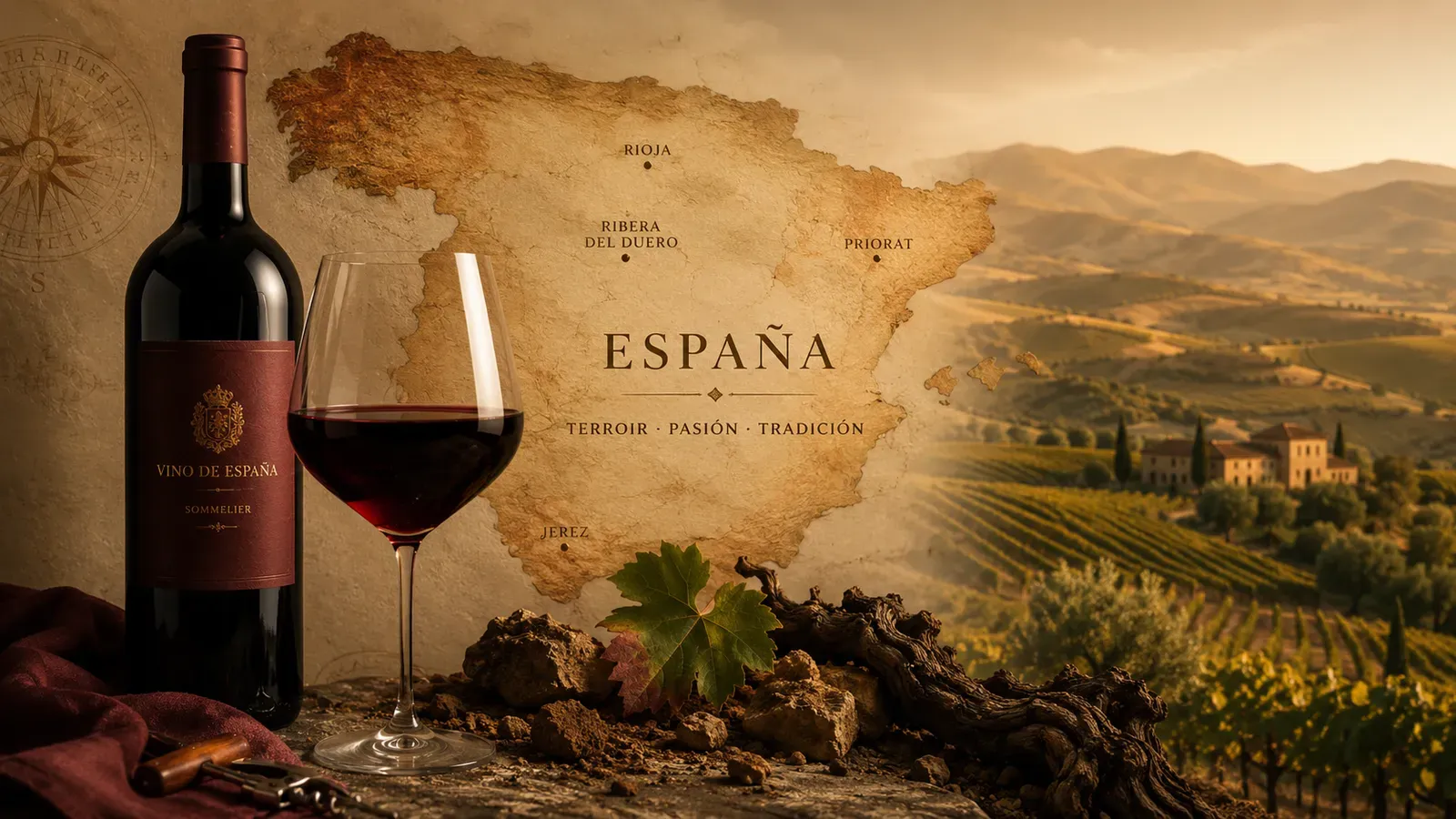
Rioja vs Bordeaux: how phylloxera made the two regions family, where the styles split, what release-ready ageing means for buyers, and which to pour when.
Rioja vs Ribera del Duero: same grape, two characters. Climate, style, ageing rules, food and list logic, and which to pour for which evening.
Spanish wine for asparagus: why the vegetable breaks most bottles, how Verdejo's bitter-fennel register solves it, and the pour for every classic prep.
Spanish wine for the cheese board: why whites beat most reds across mixed cheeses, where crianza and sherry styles win, and a board-by-board cheat sheet.
Spanish wine for prawns and gambas al ajillo: why garlic and chilli rewrite the match, the four pours from raw to grilled, and the bottles to keep cold.
Spanish wine for lamb chops: why lamb is the natural partner for Spanish reds, the pours from herb-grilled to slow-roasted, and the bottles to open.
Spanish wine for oysters: the four pours that work, steel Albariño, Txakoli, our saline Chapirete Palomino and brut nature Cava, matched to Zeeland's salty shells and beyond.
Spanish wine for aged Dutch cheese: why old Gouda's crystals change the rules, the red, saline and sweet routes, and the bottles for every age of the wheel.
Building a Spanish wine pairing for a tasting menu: pour sizes, the arc across courses, where sherry changes the game and the math behind the package.
Spanish reds for Burgundy and Pinot Noir lovers: the three lanes, Gredos Garnacha, Bierzo Mencía and the new pale wave, with a ladder of bottles to climb.
Spanish white alternatives to Chablis: which steely, mineral, unoaked whites match its bite, where Godello, Txakoli and Albariño each fit, and what to pour.
Spanish wine food pairing built on working logic, not memorized rules: acidity, salt, fat, heat and weight, mapped to the styles and dishes that prove it.
What a Spanish wine importer in the Netherlands actually does, how to choose one, and how Spanish Terroir works: regions, producers, terms, delivery.
Spanish wine for Middle Eastern food: how za'atar, sumac, tahini and grilled lamb reshape the match, the pours from mezze to shawarma, and the bottles to chill.
The Spanish substitution map: which Spanish wine replaces Champagne, Sancerre, Burgundy, the Rhône and Bordeaux, bottle by bottle, with the honest limits.
How Amsterdam restaurants, bars and hotels choose a Spanish wine supplier: trade terms, delivery, by-the-glass logic and the questions that sort partners.
How the Spanish wine trade channel works for horeca: importer versus wholesaler, what trade terms look like, cross-border orders and the direct route.
How to read Spanish wine vintages: why one chart misleads, where the official council ratings live, when the year matters, and how to use it.
What terroir actually means in wine: the official definition, the four levers of soil, climate, altitude and the human hand, and how to taste it at home.
What Albariño is: the grape, the Atlantic homeland, the taste profile of salt and stone fruit, the style ladder from steel to barrel, and how to buy it.
Which red wine goes with chorizo: why pimentón and fat rewrite the match, the pours from fresh to cured, and the Spanish reds that meet the paprika head on.
Which Spanish wine suits bitterballen: why brut nature Cava beats everything beside the fryer, the full borrelplank mapped, and what to do about mustard.
Spanish wine for mussels: why Albariño beats white-wine-in-the-pot logic, what changes with garlic, cream or tomato, and the pours for every Zeeland season.
Which wine goes with squid and calamari: why the cooking method decides everything, the pours from fried to grilled to ink, and the Spanish whites to chill.
Wine with paella marinera: why the seafood rice wants lees-aged Albariño, Cava or Txakoli, what changes with arroz negro, and the bottles to pour.
Why Albariño and seafood work so well: acidity, salinity and no oak, which style fits oysters, rich fish or the grill, and the bottles to buy first.
Spanish wine for mushroom risotto: why earth and umami change the match, the red and white routes, and the Spanish bottles that meet the forest on the plate.
Wine delivery in Amsterdam for horeca and homes: windows, cold chain, canal-belt access, weekend and rush questions answered honestly, and gift logistics.
Wine for a Spanish dinner party: the bottle-per-guest math, the cava-to-garnacha arc, how to plan quantities and temperatures, and the case to order once.
Spanish wine for the Indonesian rijsttafel: how sambal, coconut and sweet soy rewrite the rules, why tannin loses, and the four pours that survive the table.
Spanish wine tastings in Amsterdam: home and on-location formats, English-language flights for expats, what six wines should tell, and how to source it.
Wine with paella valenciana: why the original chicken-and-rabbit paella wants a cool red, a dry rosado or a textured white, and the bottles to pour.
Spanish wines for plant-based tasting menus: why vegetables rewrite pairing logic, the vegan fining question answered honestly, and a course-by-course arc.
Which Spanish styles earn their place in an open bottle, and how to build a by-the-glass list that sells itself in an Amsterdam dining room: the anchor, the white, the wildcard.
Llicorella is not one rock. A field guide to the slate, schist and quartz that make Priorat speak, and the slate-grown Spanish reds that let you taste the idea.
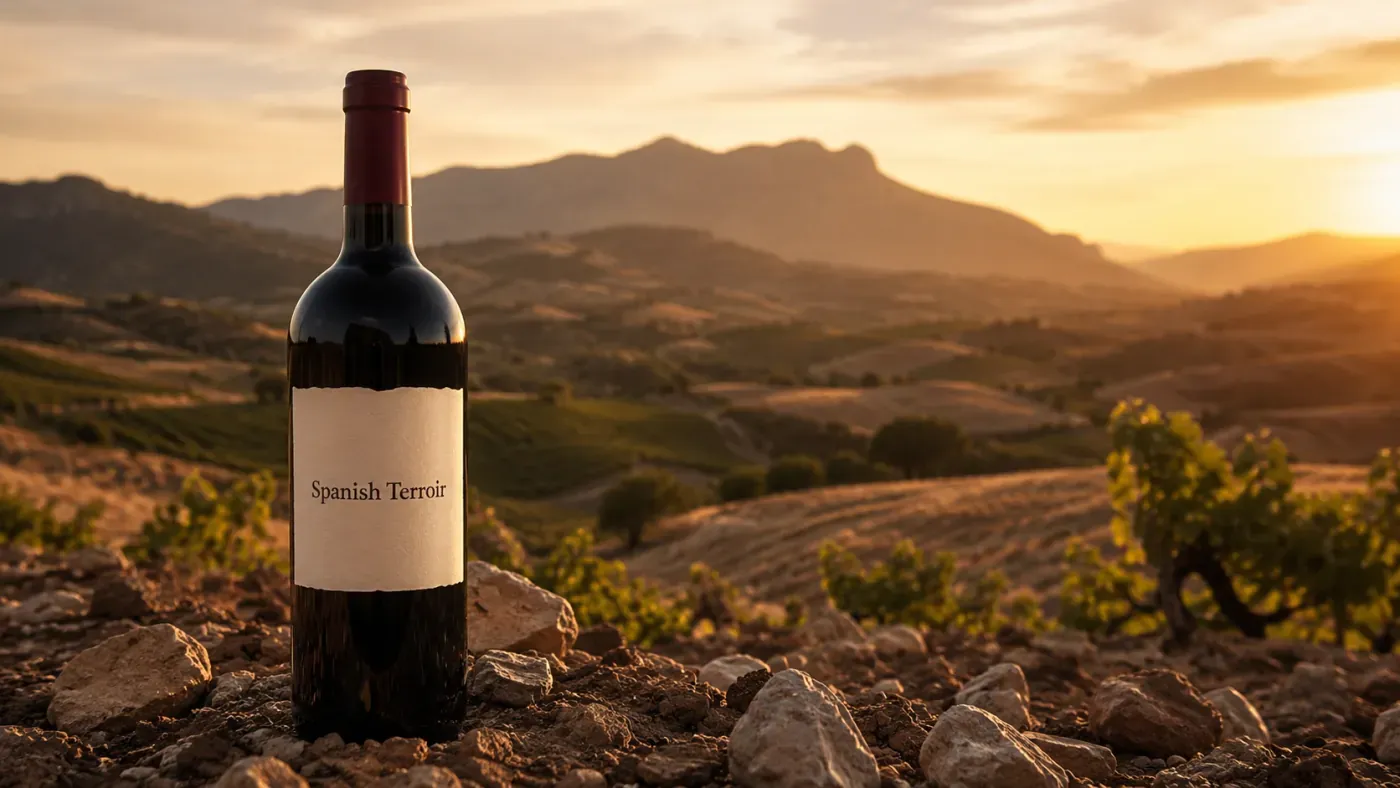
Why the Spanish wines that succeed in an Amsterdam dining room are chosen for the local table, the spice and the canal-house light, not for the map of Spain.
Lees-aged, oxidative and late-released Albariño: the dialects beyond the crisp export style, what each tastes like, and the bottles that prove the grape ages.
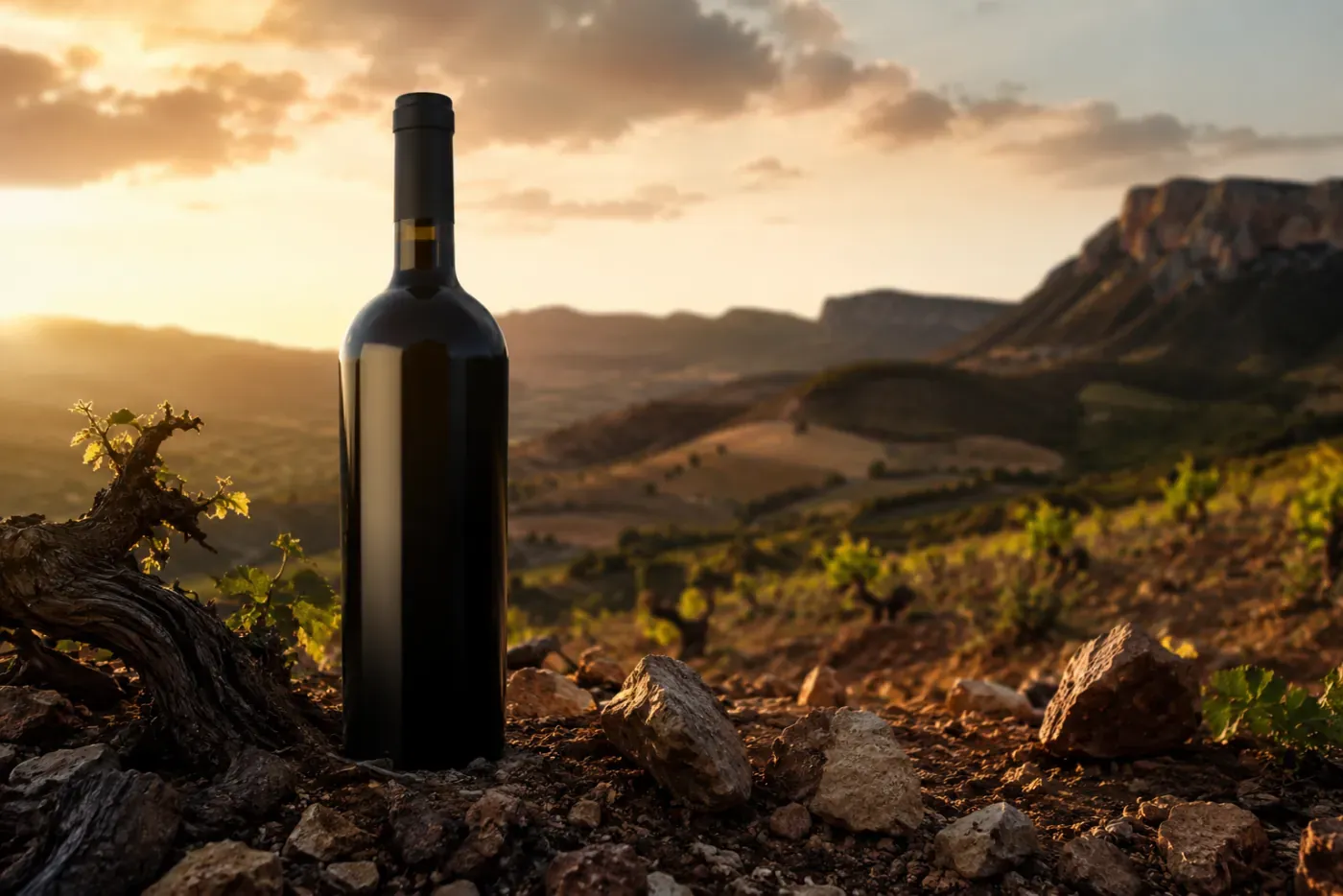
What altitude and old vines do to Garnacha: how Sierra de Gredos turns a misunderstood workhorse into a pale, perfumed, Burgundy-shaped red, and the bottles to taste it.
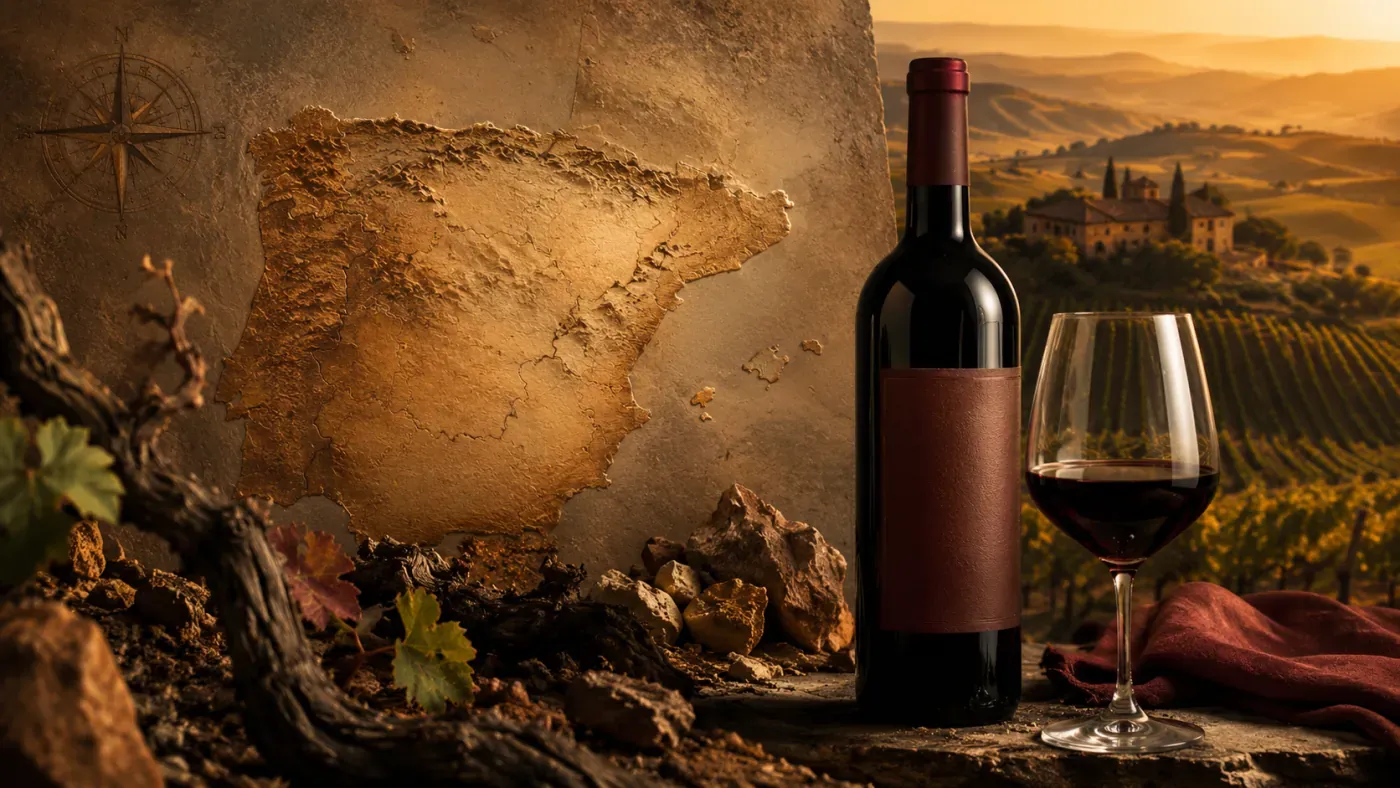
How to pair Spain's saline, nutty, low-fruit whites: our unfortified Jerez Palomino with broth, cured meat and aged cheese, and the late-harvest white for the sweet end.
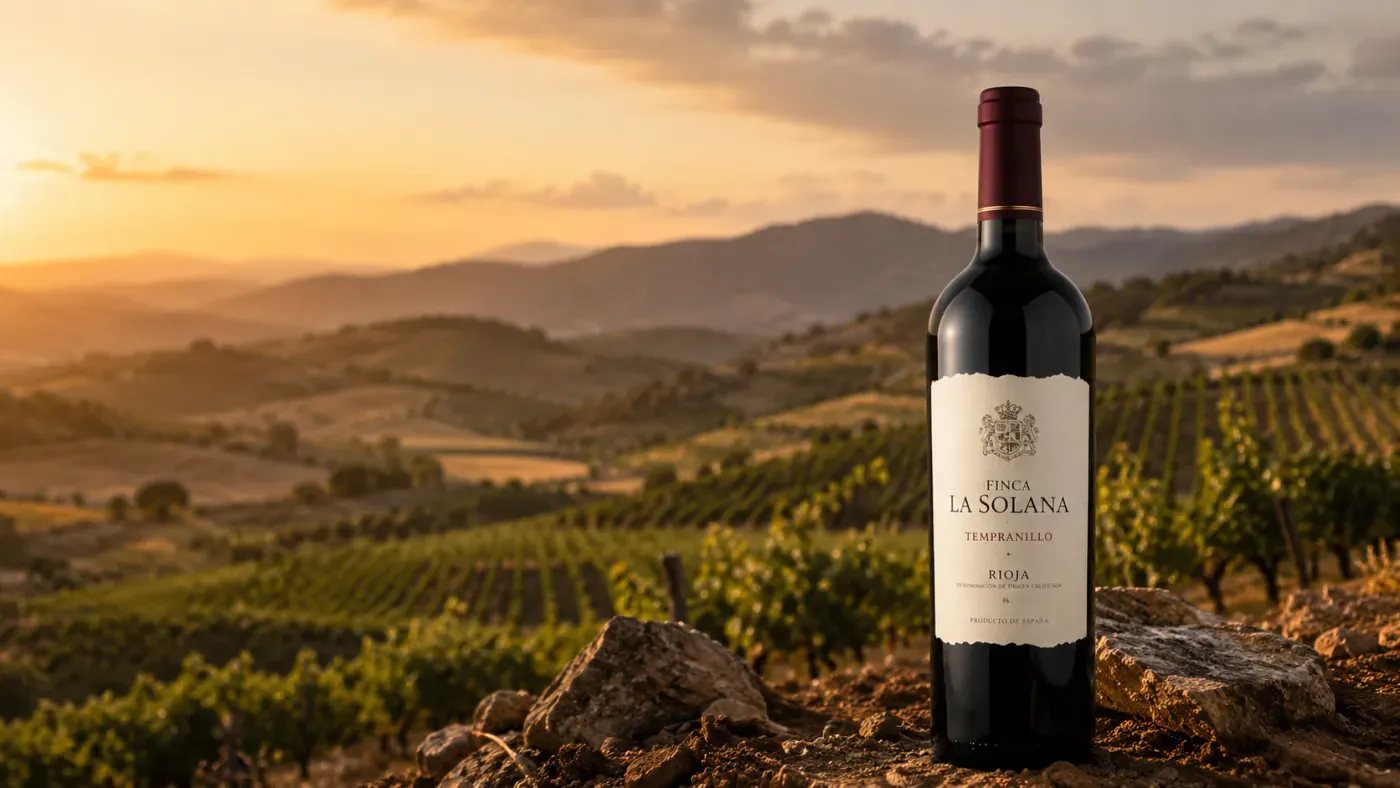
Rioja beyond the oak-and-vanilla caricature: how the region moved to village wines, revived its whites and looked past the ageing labels, and where to taste it.