

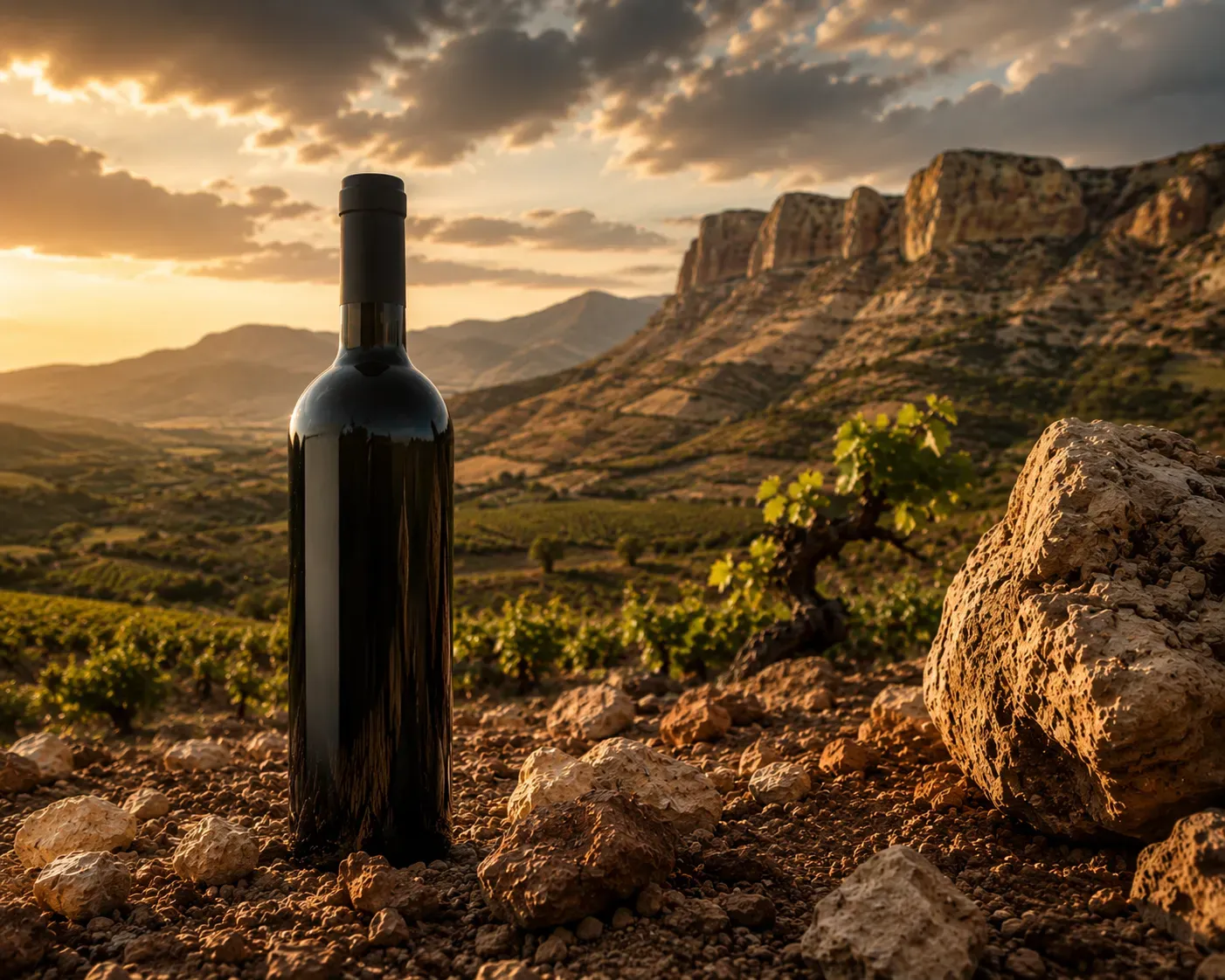
Some pairings are conventions; this one is a mechanism. Albariño meets seafood with three working parts: acidity high enough to do what the lemon wedge does, cut through brine and fat and reset the palate; a genuinely saline character that tastes like a continuation of the plate rather than a contrast to it; and an absence of heavy oak, so nothing wooden argues with flesh as delicate as sole or scallop. Most white wines bring one of those three. Albariño brings all of them at once, which is why the pairing survives every level of cooking from a tin of mussels to a starred tasting menu, and why it deserves the explanation rather than just the repetition.
Where the salt in the glass comes from
The grape’s homeland is Rías Baixas, the drowned river valleys of Galicia’s Atlantic corner, where vineyards grow on granite within sight of mussel rafts, the DO’s own council maps the five subzones, all of them coastal or river-cooled. The Atlantic writes the style: cool ripening keeps the acidity bright, granite soils keep the wine taut, and the ocean air is widely credited with the wine’s signature saline finish. The grape’s profile reads citrus, white peach and that wet-stone salinity, a flavour list that could double as a fish-market shopping list, which is the whole point: the wine and the food grew up in the same weather.
One grape, three styles, three plates
The pairing improves when the style matches the dish, because Albariño is made in three working shapes. Young, steel-raised versions are the knife: maximum acidity and salt, no distractions, the right glass for oysters, raw fish and anything served cold. Lees-aged versions, sur lías on the label, add a creamy mid-palate that rich preparations need: hake in sauce, seafood rice, scallops with butter. And barrel-fermented versions carry enough texture for the grill: whole fish over coals, octopus, langoustines with char. The split is the same one a seafood restaurant uses to build its list; at home it just means reading one extra word on the label before the fishmonger.
| The plate | The Albariño | Why it works |
|---|---|---|
| Oysters, raw fish, ceviche | Young, steel-raised | Acid and salt do the lemon’s job without the pucker |
| Mussels, clams, simple shellfish | Young or lees-aged | Brine meets brine; nothing competes |
| Hake, cod in sauce, seafood rice | Lees-aged (sur lías) | Creamy middle carries the richness, acid resets |
| Grilled whole fish, octopus | Barrel-fermented | Texture answers char; salinity survives smoke |
| Fried fish, croquetas | Any of them, very cold | Acidity against fat is the oldest trick there is |
What Galicia itself eats with it
The pairing was field-tested for generations before anyone wrote it down. Galicia’s table is a seafood canon: pulpo a feira, octopus with paprika and oil; percebes, the gooseneck barnacles gathered off storm rocks; empanada stuffed with tuna or cockles; whole turbot over coals. The local wine stood next to all of it long before export markets existed, and the consello regulador still certifies the harvest in the same parishes where the fishing fleets dock. That history is practical information: when a dish has a Galician root, the pairing question is already answered, and when it does not, the closest Galician cousin points the way. Paella’s seafood version is the famous example, a Valencian dish that drinks Galician, the rice question has its own page.
The Dutch table test
The pairing translates to the North Sea without a dictionary. Zeeland mussels in white wine are practically a Rías Baixas dish that emigrated: young Albariño replaces the squeeze of lemon and the second glass justifies the pan, the full mussel-pan playbook runs here. Kibbeling and lekkerbek, batter and fat, meet the acid exactly the way fried calamari do in Spain. Dutch oysters, flatter and saltier than their French cousins, want the steel version even more than Brittany’s do, the oyster table runs shell by shell here. The one local dish that resists is matured herring with onions, where the fish’s cure runs sweeter than brine and wants the saline Jerez register instead; that plate belongs to our unfortified Chapirete Palomino, the table-wine take on the manzanilla classic, and pretending Albariño covers it would break this page’s honesty rule. Everything else on the Dutch coast drinks Albariño happily, which for a wine grown two thousand kilometres south is the strongest endorsement geography can give.
The mistakes that break the pairing
Three habits undo it. Serving the wine fridge-cold kills the aromatics and leaves only acid, eight to ten degrees is the working window, take the bottle out fifteen minutes before pouring. Squeezing lemon over everything doubles a job the wine already does, taste first, season second. And reaching for a heavily oaked white because the dinner is festive sets wood tannin against delicate flesh, the one match-up seafood reliably loses; if the table wants grander, the move is up the Albariño ladder to lees or barrel, or sideways to the comparison with Verdejo for the fried end of the menu. The wider logic of matching weight to weight runs through the full pairing map. And one small habit upgrades every bottle: pour the first glass small and let the wine warm in the glass for a few minutes while the table starts; Albariño opens like a door, the salt first, the peach behind it, and the second pour always tastes like a better wine than the first for the price of a little patience.
What to buy first
The portfolio’s Albariño shelf is built exactly along the three styles. La Trucha, the trout on the label and the river in the name, is the house door into the grape; the steel version is the raw-bar knife, and the barrel version handles the grill. Finca Garabelos is the single-vineyard step up for the table that wants one serious bottle, and O Fillo da Condesa rounds out the shelf. All deliver across the Netherlands via the shop; a mixed trio, one of each style, is the fastest seafood education twenty-something euros buys. Wine is for adults of eighteen and over.
The chemistry of the match, a little deeper
It is worth knowing why the pairing works, because the mechanism explains every plate it covers. Seafood is, at its core, salt, water, sweetness and delicate protein, with very little fat compared to meat, and that profile asks the wine for three specific things. The first is acidity, which physically cuts the slick of brine and oil and refreshes the palate, doing the exact job a squeeze of lemon does, which is why a high-acid wine and a wedge of citrus are interchangeable and using both at once over-seasons the plate. The second is salinity: rather than salt clashing with salt, two saline flavours read as one continuous taste, the wine extending the sea of the dish instead of standing against it, the same reason a pinch of salt deepens a dish rather than spoiling it. The third is the absence of oak: wood tannin and vanilla are built to grip the fat and protein of red meat, and against the delicate flesh of fish they have nothing to bind to, so they sit on top as a bitter, woody intrusion. Albariño, naturally high in acid, grown saline by the Atlantic, and traditionally raised in steel, supplies all three at once, which is why it is not just a good seafood wine but close to a structurally perfect one. Understand that, and the style ladder, steel for the lightest, lees and barrel for the richer, becomes obvious rather than arbitrary: you are only adding texture as the plate gains it, never trading away the three things that made the match work.
The whole Atlantic table, not just oysters
Albariño is pigeonholed as an oyster wine, but its range across the seafood table is the real argument, and the grape covers almost all of it. Raw and iced, oysters, ceviche, carpaccio of sea bass, wants the steel version at its sharpest. Simple shellfish, mussels, clams, razor clams, cockles steamed with a splash of wine, meets brine with brine and needs nothing more. The cephalopods, octopus, cuttlefish, squid, lean savoury and a touch sweet, and take the lees or barrel version depending on whether they are boiled or charred. Tinned conservas, the great Galician and Cantabrian tradition of cockles, mussels and sardines in escabeche or oil, are a perfect impromptu pairing with a cold Albariño and a fork. Rich, sauced fish, brandade, hake in green sauce, cod with cream, wants the creamy lees style to match the weight. And the fried end, croquetas, calamari, kibbeling, meets the acid the oldest way there is. The only seafood Albariño genuinely hands off is the cured and smoked, where the saline Jerez register of our Chapirete takes over, and the very spicy, where a touch of ripeness or a Cava’s bubbles help. Across everything else, from a tin eaten standing up to a turbot over coals, one grape in three styles is the most complete seafood wine Europe grows.
The one-sentence version
Albariño is seafood’s wine because it grew up in seafood’s weather: Atlantic acid, granite salt, no oak in the way, and a style for every plate from the raw bar to the grill.