
Spain settled this pairing long before anyone wrote wine lists. Jamón ibérico, the acorn-fed, long-cured ham from Spain’s black-hoofed pigs, is one of the world’s great foods and one of its strictest wine tests: each slice is salt, a nutty cured sweetness, and a fat that melts at body temperature and coats the palate. The wine has to cut that fat, meet that salt and not bury the ham’s delicacy, which rules out most of the cellar and points hard at one family. The classic answer is the saline wines of the south, with two modern routes to the same place for those who want them. This page runs the match, the routes and the bottles.
Why the saline Jerez register wins
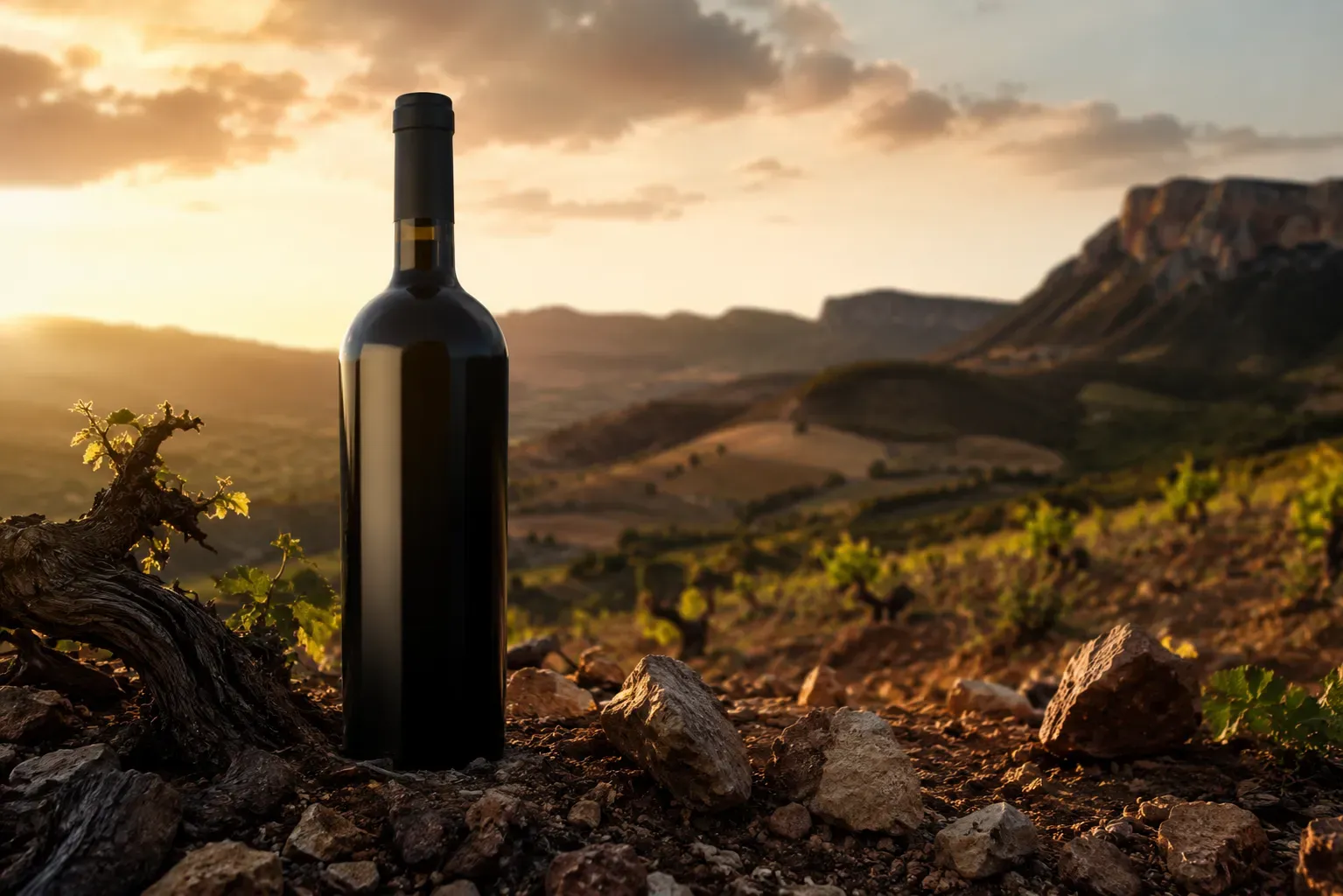
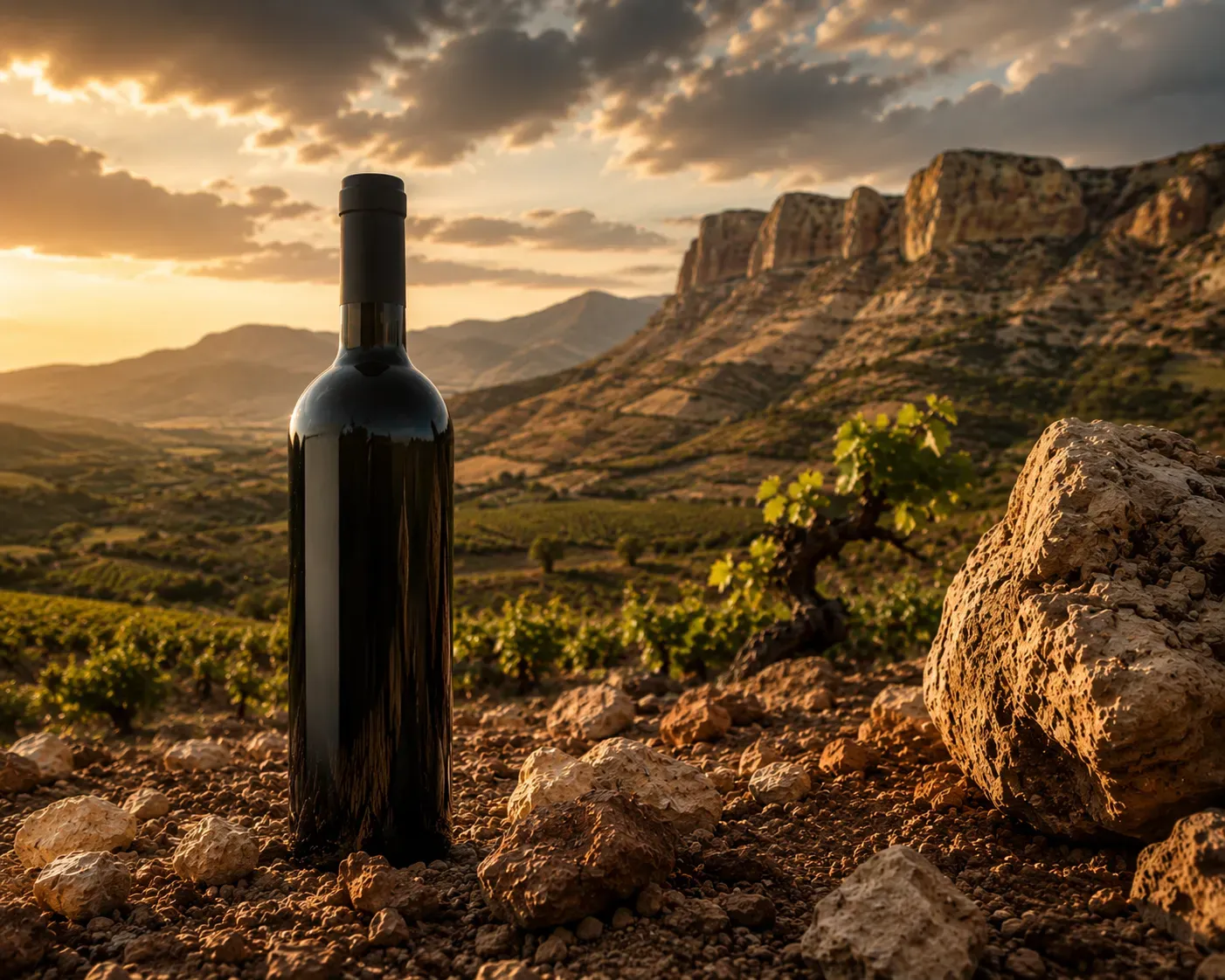
The timeless Spanish answer is bone-dry, saline and nutty, and the reasoning is exact. The wines of Jerez, built on the Palomino grape and aged in the salt air of the south, meet the ham’s salt as a sibling, cut its fat with acidity, and echo its cured, almondy sweetness rather than fighting it, the sherry council documents the styles that Spanish bars pour beside jamón by reflex. The classic pour in that tradition is a fino or manzanilla; the bottle we pour is its unfortified cousin, our Chapirete, a pre-phylloxera Jerez Palomino carrying the same lanolin, salt and hazelnut at ordinary table-wine strength. Served ice-cold in a small glass beside a plate of jamón, it makes one of the most complete pairings in all of wine, salt on salt, nut on nut, fat met by acid. It is also, to most foreign tables, the least expected, which is exactly why a host who pours it looks like a genius for the price of a cold bottle.
The unfortified classic, from our cellar
The reason our Chapirete answers jamón so completely is that it is the saline Jerez register without the fortification some drinkers hesitate over. Chapirete Prefiloxérico is an unfortified Palomino made from pre-phylloxera Jerez vines, all lanolin, hazelnut and iodine at ordinary table-wine strength, so it gives jamón the salt-on-salt handshake the classic fino built its reputation on, in a glass anyone will drink happily through a meal rather than as a single ceremonial pour. For thicker-cut, older hams the barrel-fermented version adds the texture to match the chew. This is the same logic the tapas table and the oxidative-pairing page run at length: the wines built on Jerez’s Palomino grape speak jamón’s language, and ours speaks it without leaving the cellar.
The grades and what they ask of the wine
Not all jamón asks the same wine, because not all jamón is the same product. The acorn-fed top grade, jamón ibérico de bellota, is the most marbled and complex, deep, nutty and long, and it rewards the most serious pour: the barrel-fermented Chapirete, where the wine has enough character to meet the ham’s. Younger or grain-fed hams and the leaner serrano styles are simpler and saltier, happier with the fresh young Chapirete, a young Cava or a chilled light red, no need to reach for the serious bottle. The thickness of the cut matters too: hand-carved, near-translucent slices melt instantly and want the sharpest, coldest wine, while a thicker machine cut carries more chew and takes a touch more texture, the barrel Palomino or a lees-aged white. Read the grade and the cut, and the four routes above sort themselves by occasion.
| The wine | Why it works | From the portfolio |
|---|---|---|
| Unfortified Palomino (the saline classic) | Salt, nut and acid meet the ham exactly | Chapirete |
| Barrel-fermented Palomino | More texture for thicker-cut, older hams | Chapirete Barrica |
| Brut nature Cava | Bubbles cut the melting fat | Castell d’Or gran reserva |
| Cool light Tempranillo | Fruit and gentle tannin, chilled | Launa crianza |
| Dry rosado | Fruit bridges salt and fat | Launa rosado |
The sparkling and red routes
Two more answers cover the rest of the table. Brut nature Cava is the festive route: its long-aged, bottle-fermented bubbles cut the ham’s fat the way sparkling wine cuts all fat, and the zero sugar keeps the salt in balance, Castell d’Or’s gran reserva is the bottle, and the long lees-ageing gives a nutty depth that nods at the ham. For red drinkers, the answer is light and cool: a young Tempranillo or crianza served at fifteen degrees, the chillable-red logic, brings fruit and gentle tannin without the oak or weight that would overwhelm the slice. A dry rosado bridges the same way. What unites all the good answers is dryness and freshness; what they all avoid is the two traps below.
The two traps to avoid
Jamón punishes two common reflexes. The first is a big, oaky red, reached for because cured meat feels like it wants red wine: the tannin clashes with the salt, the oak buries the ham’s nutty delicacy, and the fat makes the wine taste hot, the same mistake the cheese-board page warns against with aged cheese. The second is a sweet wine, reached for to match the ham’s faint sweetness: sugar against salt and fat turns cloying fast and flattens the jamón. The rule is simple and worth tattooing on the carving board: dry and saline beats everything, fresh beats heavy, and cold beats warm. Spain’s own bars have poured by that rule for a century, and the country’s gastronomy record treats fino-with-jamón as a national default rather than a clever idea.
Serving and the case
Jamón is sliced thin and eaten at room temperature so the fat melts, which means the wine should be properly cold to balance it: fino and Cava at six to eight degrees, the Chapirete at eight to ten, the red genuinely chilled. Pour small, because both the ham and the saline wines are intense and meant to be savoured rather than gulped. A jamón case for a gathering covers every route from one cellar, a Chapirete for the saline classic, a brut nature Cava, a chilled crianza and a rosado, delivered across the Netherlands from the shop, which between them answer every version of the plate without a foreign label. Wine is for adults of eighteen and over.
Beyond the Palomino: the wider saline table
The Chapirete is the closest match, but jamón sits inside a whole family of saline pours, and our cellar covers the breadth. The salt-laced Tantaka white from the Basque coast, a low-alcohol Txakoli of green apple and sea spray, pulls the same salt-on-salt lever a degree fresher and lighter, ideal when the jamón shares a board with anchovies, olives and tinned seafood. A young Galician Albariño brings oyster-shell tension to the same table. And for the pure fat-cutting job when the slices are at their most marbled, the bubbles of the brut nature Gran Reserva Cava scrub the palate clean between bites. The point is that the saline-white principle, salt meeting salt and fat met by acid, runs across several of our bottles, so a jamón board is never short of an in-house answer whatever else is on it. The fuller logic of these saline, nutty styles beside food lives in the oxidative-pairing page.
Carving and temperature, the details that matter
The wine only finishes the job the carving starts. Jamón is at its best sliced thin enough to read light through, and eaten at room temperature so the fat melts on the tongue rather than the knife, which is exactly why the wine must be properly cold to balance it: pour the Chapirete at eight to ten degrees, the Cava at six to eight, and the red genuinely chilled at fourteen to fifteen. Pour small, because both the ham and the saline wines are intense and meant to be savoured, not gulped, and let the plate sit a few minutes out of the fridge before the first slice so the aromas wake up. The order matters too: start with the leaner, saltier cuts and the sharpest, coldest pour, then move to the marbled bellota slices as the wine warms a degree in the glass, and the whole board climbs in richness alongside it. None of this needs ceremony, only attention, and attention is what turns a good ham into a memorable one.
The one-sentence version
Jamón ibérico wants bone-dry and saline: our unfortified Jerez Palomino, the Chapirete, is the saline classic the fino tradition is built on, with brut nature Cava for the bubbles and a cool light Tempranillo for red drinkers, and never oak or sugar near the plate.