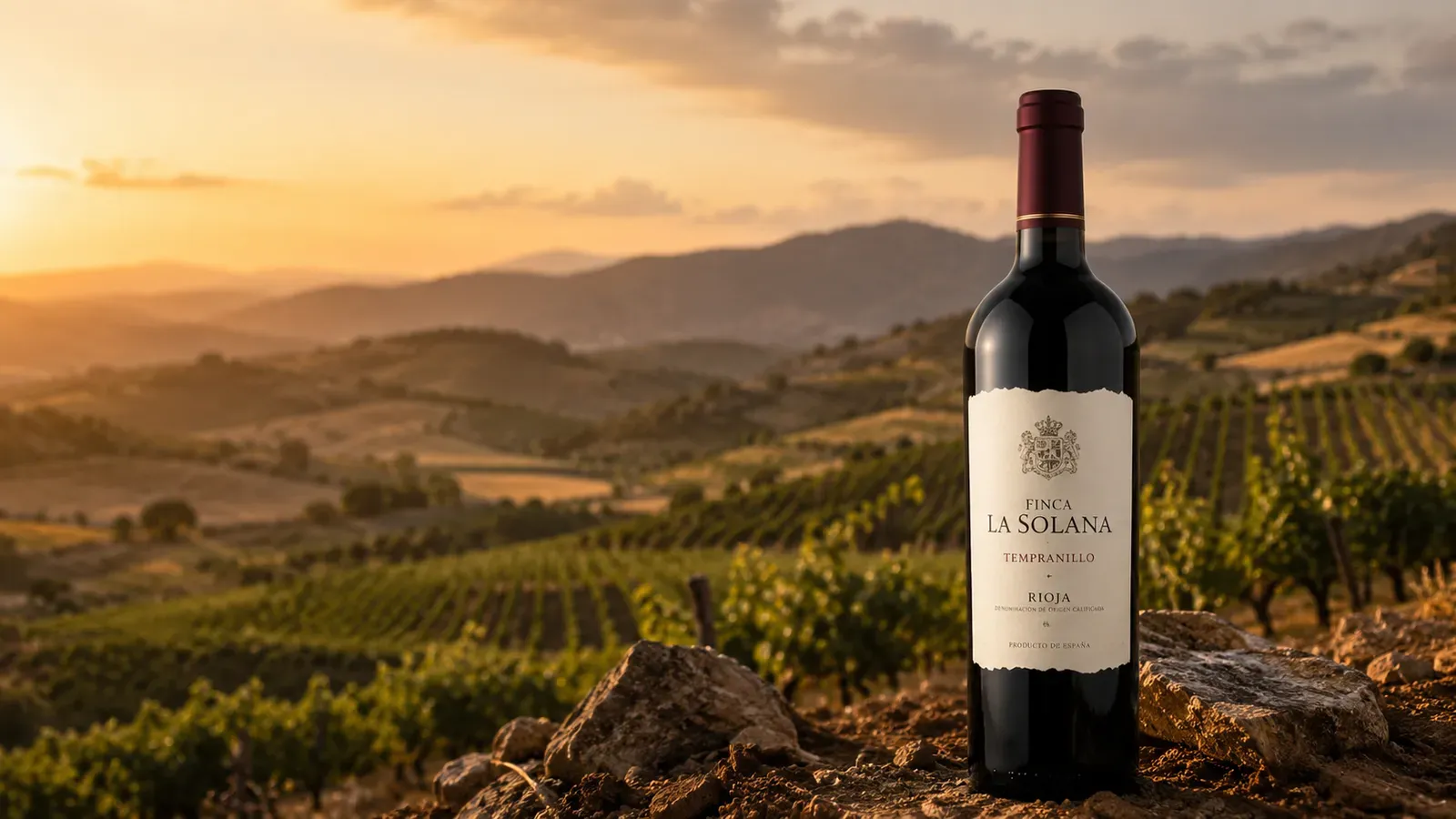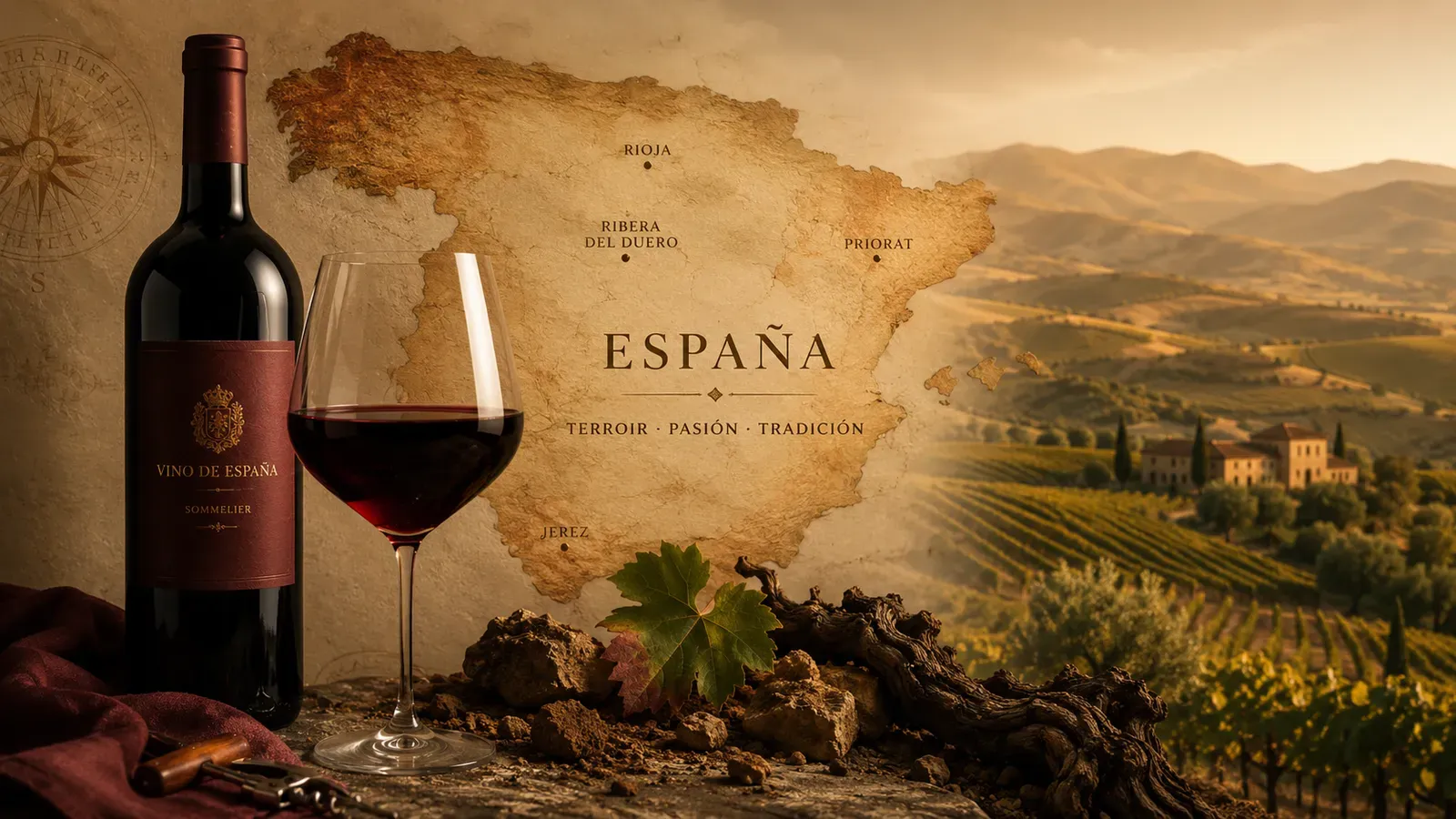

Rioja is the easiest Spanish region to caricature, and the caricature is comfortable: oak, vanilla, soft Tempranillo, polite reserves in tissue paper. It was even roughly true once, in the decades when the region sold a single, reassuring house style to the world. But the actual Rioja of the last fifteen years has changed so much that the clichés no longer survive a serious tasting. The change runs in three directions at once, and once you can name them you read every Rioja label differently, and you stop buying the postcard version by accident. This page sorts the shifts, plainly, and shows where to taste each one without naming a single bottle you cannot actually buy here.
The first shift: from blends to place
The oldest Rioja habit is the regional blend: fruit from across the three subzones, married in the cellar into a consistent house style and aged by the calendar. The biggest modern shift is the move away from that toward village wines and single-vineyard bottlings, where the label points at a place rather than a recipe, and the parallel with the cru thinking of other regions is exact. The consejo has formalised the top of this movement as Viñedo Singular, the council’s own single-vineyard category, with stricter yields and older vines, but the spirit reaches far below that tier: more and more bottles now carry a village name or a vineyard name as the headline, and the buyer is meant to read terroir first and brand second. The practical consequence is that two Riojas at the same price and the same ageing term can now taste a category apart, because one was built for consistency and the other for place.
The second shift: white Rioja reborn
For a generation, white Rioja was an afterthought, and that is the cliché most worth retiring, because the category has quietly become one of Spain’s most compelling. The grape is Viura, often blended with Malvasía and Garnacha Blanca, and the modern treatment, barrel fermentation and time on the fine lees, turns it into a textured, age-worthy white of beeswax, quince and integrated oak that drinks far closer to fine white Burgundy than to the thin, oxidative whites the region used to ship. From our own cellar, the barrel-fermented Launa white is the proof bottle: a Viura fermented and aged in French oak, beeswax and quince over a long lift, the kind of white sommeliers order for themselves. The fresher, steel-only Launa Viura shows the everyday end of the same grape, apple skin, white flowers and citrus pith, and the broader family of special Spanish whites sets white Rioja in its wider context. Anyone who still thinks Rioja means red is reading half the region.
The third shift: beyond Crianza and Reserva
The third change is quieter but just as deep: the de-emphasis of the traditional ageing classification. Crianza, Reserva and Gran Reserva are legal minimums for barrel and bottle time, defined precisely by the council, and they remain useful shorthand for time and style. But for a younger generation of growers, those categories matter less than where the fruit grew and how the wine was handled, so an increasing number of serious Riojas are released simply as Tinto, with a vintage and a vineyard and no ageing designation at all. This is not a rejection of ageing, much of this new-wave wine still spends time in oak, but a refusal to let the calendar be the headline. The two systems now coexist on the same shelf, and a buyer who relies only on the old ladder is, as the saying goes, reading from an outdated map.
The subzones doing the talking
Geography explains most of the new Rioja, because the change is loudest in the cooler, higher corners. Rioja Alavesa, the Atlantic-leaning northern subzone on calcareous clay, makes wines with a mineral cut and a fragrant lift that the soft-and-vanilla cliché never predicted, and the high-altitude village sites across the region pick fresher fruit with firmer acidity than the warm valley floor ever gave. The thread running through all three shifts, place over blend, white reborn, label loosened, is really a single move toward freshness and transparency, the same Burgundian turn away from Rioja’s own Bordeaux inheritance that runs through the Rioja-versus-Bordeaux history. The warmer, lower fruit still has its place, and so does the classic house style, but the energy and the conversation have moved uphill.
Where our own wines sit
Our Launa Selección Familiar bottlings sit squarely in the modern-classical tradition this page describes, which is the useful place to taste the new Rioja from. The fruit grows in Rioja Alavesa on calcareous clay at 690 metres, high enough for the cool nights that keep the wines fragrant and firm, and the ageing leans on French oak rather than the American oak that wrote vanilla into the old cliché. Launa’s crianza is the everyday expression, cherry, sweet tobacco and bay over softened tannin, released ready to drink; the reserva is the old-vine, longer-aged version, dried cherry, tobacco and balsamic with the grip already resolved; and the barrel-fermented white carries the white-Rioja revival in a single glass. Between them they show the three shifts without a lecture: place in the altitude and the clay, freshness in the French oak, and the white that the region forgot and then remembered. The wider buyer’s map this region belongs to, Rioja set against Ribera del Duero, is drawn separately for the table that wants to choose a side.
Reading a modern Rioja label
The new Rioja rewards a buyer who reads the whole label rather than just the ageing word. Start with the subzone and the altitude if they are stated, because Alavesa and high-village fruit signal the fresher, more mineral style, and a stated vineyard name signals the place-first philosophy. Then read the oak: French oak and shorter, gentler ageing point toward the modern register, where heavy American oak and long calendars point toward the classic house style, neither wrong, simply different evenings. Vintage matters less in dry, reliable Rioja than in marginal regions, but it still tells you whether a year ran cool and tense or warm and generous. And the producer’s name, as everywhere in Spanish wine, tells you more than any sticker: families sign their work. Put those together and the label stops being a row of legal terms and becomes a fairly honest description of what is in the glass, which is exactly what the new generation intended.
How to taste the new Rioja for yourself
The fastest way past the cliché is a side-by-side at your own table. Open a classic, calendar-led Rioja beside a fresher, place-led one at the same price, pour them blind if you can, and pay attention to which one tastes of fruit and stone rather than oak and sweetness; the difference is the whole story this page tells. Add the barrel-fermented white as a third glass and the region’s range opens completely, because most drinkers have simply never met a serious white Rioja. Serve the reds a touch cooler than instinct, sixteen degrees, so the fragrance leads rather than the alcohol, and the white at ten so its texture can speak. One evening run this way teaches more than any tasting note, and it tends to retire the oak-and-vanilla caricature for good. All of it delivers across the Netherlands from the shop, each bottle with the factsheet that states the altitude, the soils and the oak the label only hints at. Wine is for adults of eighteen and over.
The one-sentence version
Modern Rioja has moved from blend to place, revived its whites and looked past the ageing ladder, and the easiest way to taste all three shifts is a high-altitude Rioja Alavesa from calcareous clay, French oak rather than vanilla, with the barrel-fermented white poured alongside.