
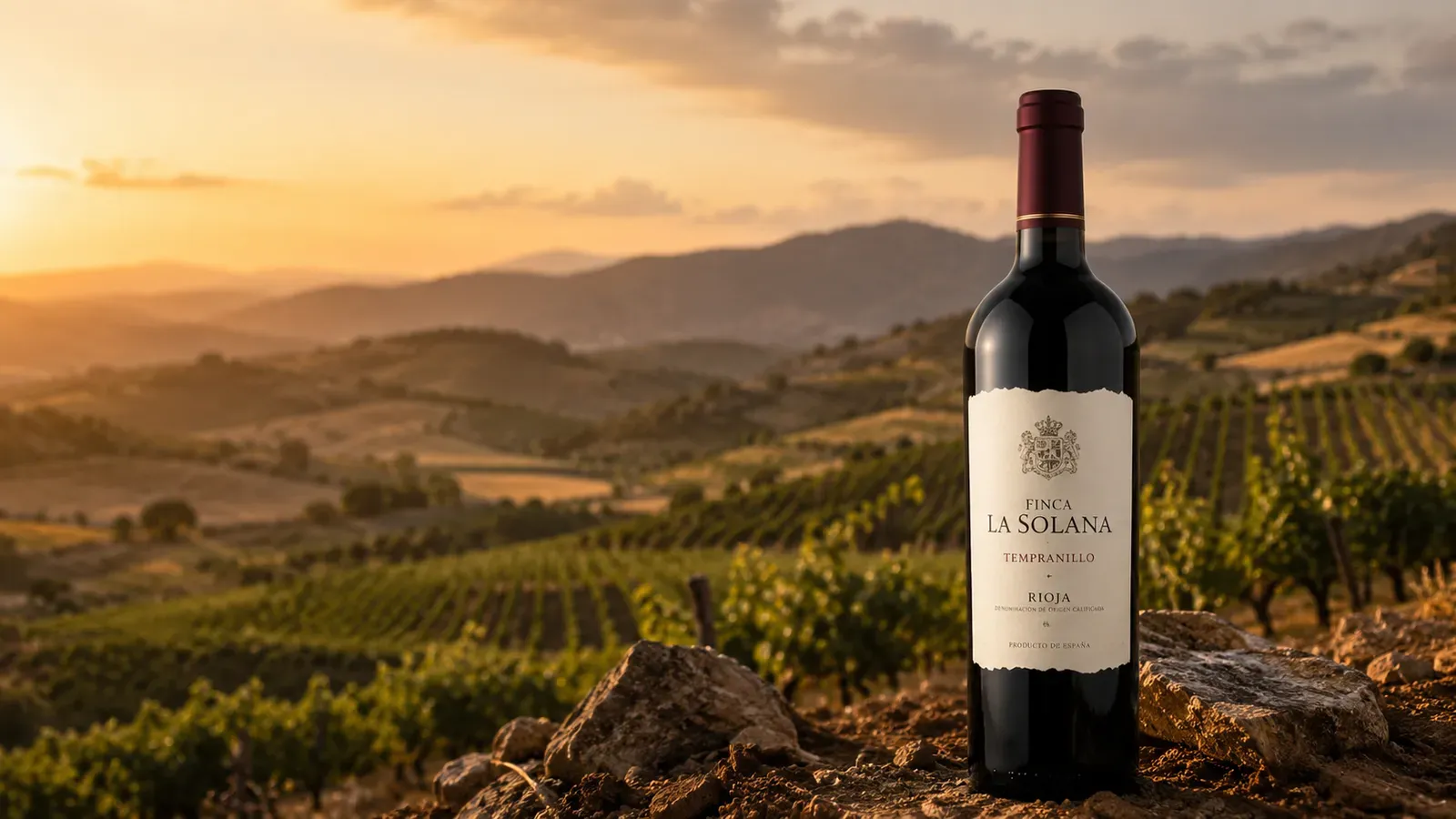
Rioja is the door most people walk through, and it deserves the traffic, but the most interesting Spanish wine is being made on the other side of it. If you want the country’s best regions beyond Rioja, the shortlist splits cleanly by what you are pouring: Ribera del Duero and Priorat for serious reds, Rias Baixas and Rueda for the whites that carry a summer list, Bierzo and Sierra de Gredos for the cool-climate elegance that is quietly the most exciting thing in Spain, and Jerez for the most gastronomic wines the country makes. Each earns its spot for a different reason, and knowing which does what is faster than tasting through forty appellations. Wine Folly’s map of Spain is a decent first orientation; what follows is how they actually behave on a list.
Atlantic, continental, Mediterranean: the three Spains
One idea makes the whole map legible: Spain is three climates, and a region’s wine follows its weather. The green Atlantic northwest, Galicia and its neighbours, is cool and wet, which is why it makes taut, saline whites and pale, high-acid reds. The vast central meseta is continental, with baking days and cold nights at altitude, which builds the structured reds of Ribera del Duero and the aromatic whites of Rueda. The Mediterranean east and south are hot and dry, home to old-vine Garnacha and Monastrell and to the fortified wines of Jerez. Place a region on that grid and you can predict the wine before you pull the cork, which is a more useful skill than memorising appellation names.
Ribera del Duero: Tempranillo with the volume up
Ribera del Duero is Tempranillo, here called Tinto Fino, grown high on the northern meseta where nights turn cold even in August. That wide day-to-night swing is the whole point: it slows ripening, keeps acidity, and builds reds that are darker, firmer and more structured than most Rioja, with the stuffing to age a decade. The consejo regulador sets the framework, but the taste memory is simple, this is the region for a red when you want power and grip rather than delicacy. Whether it beats Rioja is the wrong question, and the direct comparison is really about mood; a good yardstick is an altitude Tinto Fino like Naluar against a mature Rioja, tasted side by side.
Priorat: the taste of llicorella slate
Priorat is the one region whose soil you can almost taste. Old Garnacha and Carinena cling to steep terraces of llicorella, a black slate shot with quartz, and the vines dig deep for water, which crushes yields and concentrates everything that survives. The result is dense, mineral and long, one of only two Spanish appellations at the top DOCa/DOQ tier, and the consell regulador guards it closely. The wines are not shy and they are not cheap, but the slate story behind them is real rather than marketing, and a Priorat next to a Ribera is the clearest lesson in soil against climate you can pour.
Rias Baixas and Rueda: the two whites a list needs
For whites, two regions cover most of the work. Rias Baixas, on the Atlantic edge of Galicia, makes Albarino a few kilometres from the sea: bright, saline, citrus-and-stone-fruit whites that are the default for shellfish and one of the most reliable summer pours in Spain. Rueda, up on the Castilian plateau, makes Verdejo, more aromatic and herbal, a house white that overdelivers for the money. Foods and Wines from Spain treats both as everyday gastronomic partners rather than trophies, which is exactly right; a steel Albarino (sold out; in stock: O Fillo da Condesa) and an old-vine Verdejo between them will handle most of a seafood and vegetable menu.
Bierzo and Sierra de Gredos: the cool frontier
This is where Spain is most exciting right now. Bierzo, tucked between Galicia and the meseta, makes Mencia on slate: floral, red-fruited, mineral reds with real lift and a price that still lags their quality. Sierra de Gredos, in the mountains west of Madrid, grows Garnacha on granite at altitude, and the wines could not be further from the grape’s sunbaked reputation, pale, perfumed, high-toned, closer in spirit to Burgundy than to a warm-climate blockbuster. A floral Bierzo Mencia and a granite Gredos Garnacha are the two bottles I would use to change someone’s mind about what Spanish red can be, and Gredos in particular is the frontier bet.
Jerez: the most gastronomic wines in Spain
No list of Spain’s regions is honest without Jerez. The sherry country in the far south grows Palomino on albariza, a blinding-white chalk that holds winter rain for the dry summer, and ages the wines under a film of flor yeast or oxidatively in solera. The range runs from bone-dry Fino and Manzanilla through nutty Amontillado and Oloroso to sweet Pedro Ximenez, and no other category in the world is as flexible at the table, which is why oxidative styles reward a pairing mindset more than almost anything else you can pour by the glass.
Two more worth a slot: Jumilla and the islands
Beyond the headline names, two outliers earn a place. Jumilla, in the hot southeast, grows old-vine Monastrell that gives dark, brambly, structured reds at prices that still look like a mistake, the value engine of a Spanish list, and a bottle like Juan Gil Plata shows how much depth the grape carries at altitude. The Canary Islands, farmed on black volcanic soil the phylloxera louse never reached, make smoky, saline, ungrafted-vine wines from grapes almost nobody else has, and they are among the most distinctive things Spain pours. Neither will anchor a classic list, but each gives it a point of difference a guest actually remembers.
| Region | Signature | Grape | Why it earns a place |
|---|---|---|---|
| Ribera del Duero | Structured reds | Tempranillo (Tinto Fino) | Altitude and power, ages a decade |
| Priorat | Mineral concentration | Garnacha, Carinena | Llicorella slate, tiny yields |
| Rias Baixas | Saline Atlantic white | Albarino | Shellfish default, bright acidity |
| Rueda | Aromatic value white | Verdejo | House white that overdelivers |
| Bierzo | Floral cool red | Mencia | Elegance at a fair price |
| Sierra de Gredos | Pale mountain red | Garnacha | Spain’s Burgundy-adjacent frontier |
| Jerez | Gastronomic fortified | Palomino, Pedro Ximenez | The most food-flexible wines in Spain |
Which region should lead your list?
Take a position rather than hedging. For reds, lead with Ribera del Duero when you want power and cellar life, and with Bierzo or Gredos when you want finesse and a talking point; for whites, lead with Rias Baixas and let Rueda carry the by-the-glass slot. If you can only chase one frontier, make it Gredos, because high-altitude Garnacha is delivering Burgundy-adjacent elegance at prices that will not last. The less obvious corners of Spain reward the same curiosity, and none of this dethrones Rioja, it just means the country is far larger than its most famous name suggests. Wine is for adults of eighteen and over.