
The fastest way to ruin a Spanish section is to buy wines you love and then look for somewhere to put them. The list works the other way around: the menu defines slots, each slot has a job, and the wine that takes it must do that job at its price, in its glass, on a Tuesday. Spanish Terroir builds list sections from its own portfolio of family producers, every bottle documented on a factsheet, with trade ordering from €350; this page is the slot map we work from, and it holds whether the section is seven lines in a bistro or thirty in a hotel.
Which slots does the Spanish section actually need?
| Slot | Its job | The Spanish answer |
|---|---|---|
| White by the glass | Volume, recognition, three-day hold | Verdejo or Albariño |
| Red by the glass | Pour cool, fit half the menu | Young Tempranillo or Mencía |
| The anchor red | The name guests trust | Modern Rioja crianza |
| The alternative | Where the anchor’s fans go next | Old-vine Garnacha |
| Sparkling | Aperitif and celebration | Grower Cava |
| The curiosity | Conversation, rotation | Oxidative white, skin contact |
| The spine | The bottle the list is proud of | Reserva or single vineyard |
Seven slots, and a small room fills each once while a hotel fills some twice. The discipline is that a wine must name its slot before it gets a line; a bottle that answers no slot is a souvenir, however good the tasting felt.
What fills the by-the-glass slots?
The white pour wants recognition and stamina. Verdejo gives both: Wine Folly’s profile reads citrus, fennel and bitter-almond finish, and the better old-vine versions from Rueda hold their shape for days. In the portfolio that slot belongs to Shaya, old-vine Verdejo with enough texture to survive a busy pass. In a seafood room the answer shifts to Albariño, and the styles split by plate: steel for the raw bar, lees for the rice. When the two grapes compete for one slot, the head-to-head settles it. The red pour should run cool at 14 °C and flatter half the menu without a decanter; a young Tempranillo or Mencía does the work, and the by-the-glass math decides between candidates better than any tasting note.
What about the Rioja slot, and its alternative?
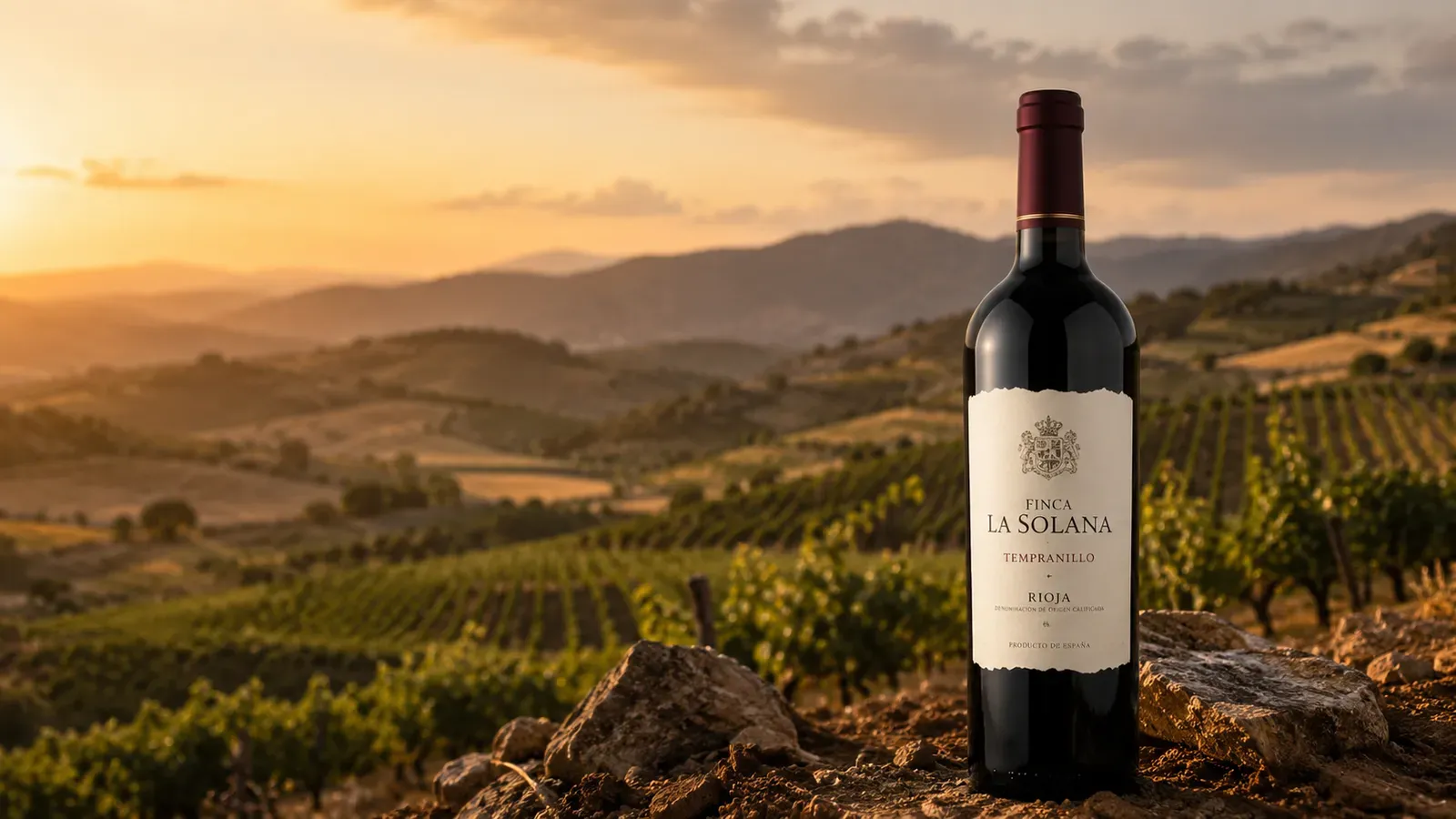
Every Dutch list needs the Rioja line because guests arrive with the word already in their mouth. The mistake is filling it nostalgically. The ageing categories that the Consejo Regulador defines, crianza, reserva, gran reserva, describe time, not style, and the modern end of the region uses that time for freshness instead of coconut. In the portfolio the slot belongs to Launa’s Crianza, Rioja Alavesa fruit raised to be poured with food rather than around it, with the Reserva one shelf up as the spine; the long version of that argument is Rioja without the clichés. The sleeper in the same slot family is white Rioja: barrel-fermented Viura reads like a sommelier’s secret at a bistro price, and Launa’s barrel-fermented blanco gives the list a white with age potential that almost nobody else on the street is pouring.
The alternative slot answers the guest who orders Rioja twice a week and wants the third glass to surprise them. Old-vine Garnacha is the modern answer: the Gredos school made high-altitude Garnacha Spain’s Pinot-shaped red, and the idea travels. In the portfolio, Garnacha & Garnacha plays the slot from Extremadura old vines: red fruit, lift, none of the weight the word Garnacha used to threaten. The old vines are the point, and the line on the card can say so in five words.
What fills the sparkling and curiosity slots?
Sparkling means grower Cava, not an apology for not being Champagne. Bottle fermentation and lees minimums under the DO Cava rules buy real autolytic character at list prices that leave margin for generosity, and the aperitif pour upsells itself once the floor offers it by name. The curiosity slot is the section’s pulse: an oxidative white poured as a food wine, a skin-contact bottle, the wines that make staff talk. Rotate it quarterly; its job is not volume but the story the regulars come back to check.
How does the section cover a real menu?
Run the test against an actual evening. A bistro sends out a raw starter, a fried snack, a rich braise, one spiced dish, a steak and a chocolate dessert. The raw starter takes the by-the-glass white; the fried snack takes the Cava; the braise takes the anchor crianza; the spiced plate takes the cool-served young red, the one slot most lists forget; the steak climbs to the reserva spine; and the dessert, if the room sells it, is the oxidative curiosity’s quiet triumph. Six plates, six slots, no gaps and no double work. When the menu is a tasting menu, the pairing runs its own arc. When a menu changes seasonally, re-run the same test before printing; a new menu axis with no wine within reach is how sections silently go stale.
What does the line on the card actually say?
Each line carries five things: producer, region, grape, one human phrase, price. Shaya, Rueda, Verdejo, old vines with real texture, and the number. Launa, Rioja Alavesa, Tempranillo, the modern crianza, and the number. The human phrase is the one the floor says out loud, so write it for speech, not for print, and ban the words elegant, premium and crisp, which describe nothing. A list written this way trains its own staff: every line is a one-second briefing, and the guest hears the same sentence from every server, which is what consistency tastes like from the other side of the table.
How big should the section be?
Seven to twelve lines covers a full menu; past that the section stops being a point of view. Count coverage, not labels: every major menu axis, raw, fried, rich, spiced, meat, sweet, should find a wine within two lines, and any wine that covers no axis gives its line to one that does. Size also follows the cellar’s reality: a section you cannot reorder weekly in summer is a section you will be apologising for in August. Plan the season with the supplier behind the list; allocation talk in spring beats substitution talk in service.
How do you price the ladder?
Price the section as a ladder with even spacing, not a cluster with one trophy. The by-the-glass pours anchor at the €6 to €7 the pour-cost math allows, the anchor red sits where the room’s median bottle spend already lives, the alternative within a euro of it, and the spine at roughly double the anchor, close enough to reach, far enough to feel like a decision. A guest should be able to climb one rung a visit; sections that jump from €34 to €110 sell neither. In practice the ladder looks like this: glasses at €6.50, the anchor at €36, the alternative at €37, the white Rioja at €42, the spine at €72. Five numbers, one staircase, no vertigo.
The working order, start to finish: read the menu, draw the slots, fill each with a wine you can describe in one line and reorder in one call, price the ladder, and give the floor the lines. Send the menu and the current list through the contact page and the slot map comes back filled, factsheets attached.